Calm after a missile threat
After learning that the January 2018 warning of a missile headed to Hawai‘i was only a false alarm, residents who were more anxious before the frightening event calmed down more quickly than those who were less anxious beforehand, finds a study in American Psychologist. Researchers analyzed 1.2 million tweets from 14,830 likely Hawai‘i residents over a two-month period, from six weeks before the false alarm to 18 days after. The researchers then grouped users based on their tweets prior to the false alarm into low-, medium- and high-anxiety groups. During the 38-minute period in which people awaited the missile strike, anxiety across all groups increased. But while the group with low anxiety prior to the alert showed a new baseline anxiety level 2.5% higher after the event, the high-anxiety group had a baseline that was 10.5% lower afterward. The researchers discuss potential reasons for this surprising result, including that the threat of imminent death put the day-to-day stressors of the high-anxiety group into perspective. DOI: 10.1037/amp0000495opens in new window
Vindication for bystanders
Despite the conventional wisdom that bystanders—particularly those in large groups—fail to help victims under attack, video footage of real-life conflicts suggests that bystanders help victims of aggression in nine out of 10 public fights, according to a study in American Psychologist. Researchers examined closed-circuit TV surveillance video of 219 arguments and assaults in the cities of Amsterdam (Netherlands), Lancaster (United Kingdom) and Cape Town (South Africa). In 91% of situations, bystanders intervened in one or more of several ways, including physically gesturing for an aggressor to calm down, blocking an aggressor, or pulling an aggressor away and consoling the victim. The researchers also found that a victim was more likely to receive help when more bystanders were present. They also found no difference in the rates of intervention among the three cities. DOI: 10.1037/amp0000469opens in new window

More activity, less decline
Engaging in mentally stimulating activities during middle and older age is associated with a lower risk of developing mild cognitive impairment (MCI), indicates a study in Neurology. Researchers surveyed 2,000 people in Minnesota with no MCI at study onset (average age of 78, 50% female) about the frequency of their participation in mentally stimulating activities—such as games, crafts, computer use and social activities—during middle age (ages 50 to 65) and in later life (66 and older). Participants were given cognitive tests every 15 months for an average of five years. During the study, 532 participants developed MCI. Researchers found that using a computer in middle age was associated with a 48% lower risk of MCI, while computer use in later life lowered the risk by 30%. Engaging in social activities in middle age and later in life was associated with a 20% lower risk of developing MCI and crafting later in life was associated with a 42% lower risk. Overall, the more activities people engaged in, especially during later life, the less likely they were to develop MCI. DOI: 10.1212/WNL.0000000000007897opens in new window

Weight-shamed teens gain weight
Teasing about weight is associated with later gains in weight among youth, according to a study in Pediatric Obesity. Researchers interviewed 110 children and adolescents in the United States (average age 11.8) about being teased about their weight. The participants either were overweight when they began the study or had two parents who were overweight or obese. The researchers followed participants in annual visits for up to 15 years and found that youth who experienced high levels of teasing at the start of the study had a 33% greater increase in body mass index and a 91% greater increase in fat mass per year than those who did not experience teasing. DOI: 10.1111/ijpo.12538opens in new window
‘Microdosing' is a mixed bagBAG
People who took very small doses of psychedelic substances, a practice referred to as “microdosing,” reported improved mood and focus, along with concerns about physical discomfort, illegality and stigma, according to a preliminary study in Harm Reduction Journal. Researchers surveyed 278 self-identified microdosers recruited primarily from an online forum. Participants reported that microdosing resulted in improvements in mood (26.6% of participants), focus (14.8%), creativity (12.9%) and self-efficacy (11.3%). However, some participants also reported concerns about illegality (29.5%) and physiological discomfort (18%), primarily headaches, nausea and insomnia, as well as impaired focus (8.8%) and anxiety (6.7%). The investigators note that these results can be used to inform the design of future experimental and longitudinal studies of microdosing. DOI: 10.1186/s12954-019-0308-4opens in new window

The calming influence of tears
Crying may aid in the regulation of breathing during stressful situations, suggests a study in Emotion. Researchers randomly assigned 197 female undergraduate students in Australia to watch sad or emotionally neutral videos for 17 minutes. About half of the participants who watched the sad videos ended up crying. Those who cried during the sad videos maintained more stable breathing and heart rate than those who did not cry in response to either the sad or neutral videos. However, contrary to predictions, the researchers found no differences among the participants in their cortisol levels or in their responses to a subsequent physical stress test in which they placed one of their hands in very cold water. DOI: 10.1037/emo0000633opens in new window
Older parents
Children born to older parents have fewer behavioral problems than those born to younger parents, according to a study in Child Development. Researchers in the Netherlands analyzed parent and teacher reports of problem behavior from 32,892 10- to 12-year-old Dutch children born after 1980. They found that, on average, children of older parents had fewer externalizing behavior problems such as aggression and disobedience than children of younger parents. For teacher-reported problem behavior—but not parent-reported problem behavior—the association was largely explained by socioeconomic status, suggesting that some of the difference in problem behavior may be due to older parents’ having more money and education. The researchers also found that parents’ age was unrelated to children’s internalizing behaviors including depression and anxiety. DOI: 10.1111/cdev.13267opens in new window
Environmental attitudes
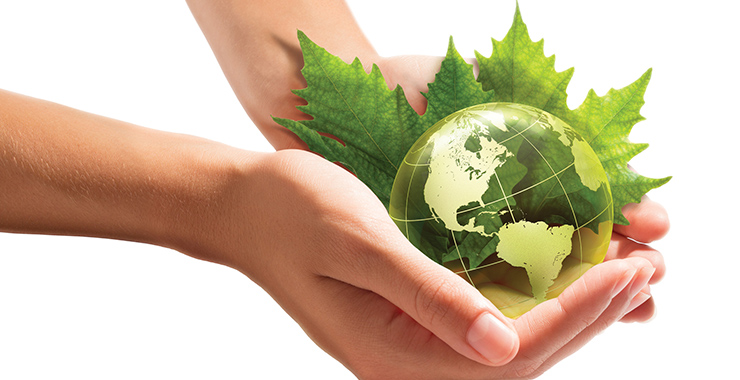
People who believe in unequal social hierarchies or right-wing authoritarianism are less likely than others to develop a willingness to make sacrifices for the environment, finds a longitudinal study in PLOS One. Researchers examined the social and environmental attitudes of a nationally representative sample of 22,966 New Zealand adults from 2009 to 2013. They found that people who endorsed a “social dominance orientation”—the belief that society should be structured hierarchically, with some groups dominating others—were least likely to develop a pro-environmental view over time. They also found that people who started with a willingness to make sacrifices for the environment were more likely to develop opposition to unequal social hierarchies. DOI: 10.1371/journal.pone.0219067opens in new window

Survivor stress
People who narrowly avoid a disaster do not necessarily escape unharmed, and their responses are shaped by knowledge of the fate of the victims, according to a study in Social Psychological and Personality Science. Researchers analyzed responses from a 1,433-participant survey conducted in six waves from 2001 to 2004 by an online research company. The survey included the questions “Did you or someone close to you experience a ‘near miss’ as a result of the September 11th attacks?” and “After experiences such as the events of September 11th, some people report feeling guilty that they survived when others did not. Have you ever felt this way in the past week?” About 10% of the participants reported a near-miss experience. The researchers found an association between having had a near-miss experience and experiencing symptoms of post-traumatic stress disorder, and that this association was driven in part by survivor guilt. DOI: 10.1177/1948550619829064opens in new window
Patient feedback on classification
Individuals with common mental health problems believe a widely used classification system for mental disorders omits emotional and psychological experiences that they regularly have, according to a study in The Lancet Psychiatry. Researchers asked 157 people from India, the United Kingdom and the United States who had been treated for mental health conditions for feedback on drafts of the upcoming 11th revision of the International Classification of Diseases and Related Health Problems (ICD-11). In focus groups, the participants discussed the draft diagnostic descriptions of depressive episode, generalized anxiety disorder, schizophrenia, bipolar type 1 disorder and personality disorder. The participants recommended changes to more accurately reflect their experiences and remove objectionable language. For example, people with schizophrenia added references to anger, fear, memory difficulties, isolation and difficulty communicating internal experiences; those with generalized anxiety disorder added nausea and anger; and those with depression added pain and anxiety. The participants also suggested removing confusing or stigmatizing terms such as “retardation,” “neuro-vegetative,” “bizarre,” “disorganized” and “maladaptive.” DOI: 10.1016/S2215-0366(19)30093-8opens in new window

Fake news 'vaccine'
People’s ability to spot and resist misinformation can be improved by playing an online game that exposes them to commonly used “fake news” strategies, suggests a study in Palgrave Communications. Researchers recruited more than 14,000 online participants to take a survey and play a game in which they took on the role of a fake news creator. The players were rewarded for employing six techniques commonly used to produce misinformation: polarization, invoking emotions, spreading conspiracy theories, trolling people online, deflecting blame and impersonating fake accounts. Before and after the 15-minute game, players also rated the reliability of a series of real and fake headlines and tweets. After playing the game, participants improved their ability to spot fake news by 21%. The game made no difference in how users rated real news. These results held irrespective of education, age, political ideology and cognitive style. DOI: 10.1057/s41599-019-0279-9opens in new window
Genes and autism
The risk of developing autism spectrum disorder (ASD) is largely determined by genetics, suggests a study in JAMA Psychiatry. Researchers analyzed data from more than 2 million individuals from Denmark, Finland, Sweden, Israel and Australia born between 1998 and 2012, of whom 22,156 were diagnosed with ASD. They looked at outcomes among family members and considered factors such as shared environments and genetic connections and found that ASD heritability across all participants was 80.8%. The data also suggested that heritability varied modestly across countries. According to the researchers, the study indicates that maternal factors (such as the mother’s nutrient intake, parenting style or the mode or timing of her child’s delivery) and other environmental factors (such as air pollution or vaccinations) play little or no role in the development of autism. DOI: 10.1001/jamapsychiatry.2019.1411opens in new window

Pain in the brain
A study in Annals of Neurology suggests that heightened, otherwise-unexplained somatic symptoms—such as pain, headaches, sore joints, nausea, constipation and itchy skin—may be linked to a particular gene variant related to the serotonin system. Analyzing genetic data from 4,902 individuals across four cohorts, scientists found that a variant of the gene coding for the enzyme AADC—which is involved in the production of the neurotransmitter serotonin—was associated with increased somatic symptoms. Blood samples from 90 of the research participants showed a correlation between low serotonin levels and heightened somatic symptoms. These results point to the serotonergic system as a target for developing treatments for somatic symptoms, according to the researchers. DOI: 10.1002/ana.25521opens in new window
Origins of anorexia
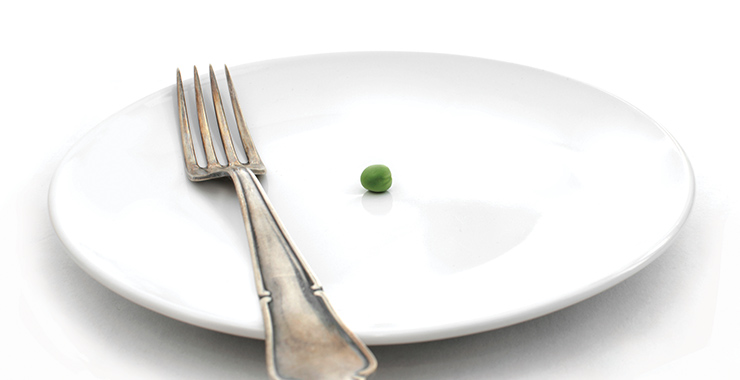
Anorexia nervosa appears to have both psychiatric and metabolic aspects, suggests a study in Nature Genetics. Analyzing genetic data from 16,992 individuals with anorexia nervosa and 55,525 control individuals from 17 countries, investigators identified eight gene variants associated with anorexia nervosa. These variants overlapped with those of other psychiatric disorders, such as obsessive-compulsive disorder, major depressive disorder and schizophrenia, as well as with metabolic characteristics, including how sugars and fats are processed, and with level of physical activity. The investigators suggest that researchers should consider metabolic as well as psychiatric aspects in developing new treatments for anorexia nervosa. DOI: 10.1038/s41588-019-0439-2opens in new window
Prefer to defer
In staged confrontations between two puppets, 10- to 16-month-old infants preferred the puppet who deferred to the other puppet, according to a study in Current Biology. Researchers presented U.S. infants with puppets engaged in a zero-sum conflict, such as competing for the right of way across a stage, and observed which puppet the infants reached out for afterward.
Across six experiments, they found that the infants more often reached for the puppet that yielded to the other puppet. In contrast, in a previous study, the researchers had found that 21- to 31-month-old toddlers reached out for the winning puppet, but only if the winner did not succeed by using force. According to the researchers, this and other work suggests that infants are sensitive to social dominance and, as they develop, may shift from avoiding dominant individuals out of fear to approaching dominant individuals for the benefits they may be able to provide. DOI: 10.1016/j.cub.2019.05.054opens in new window

Cake or broccoli?
Toddlers are subject to a recency bias when responding verbally to “or” questions: They tend to pick the last-mentioned option when presented with two choices, according to a study in PLOS One. Researchers asked 24 toddlers in the United States, between 21 and 27 months old, questions in which the toddlers had to choose between two options. When the children responded verbally, they selected the second option about 85% of the time. When pointing at one of two sequentially presented pictures, they chose the last option only 52% of the time. According to the researchers, this difference reflects a limitation in working memory. In a follow-up study, the researchers analyzed transcribed conversations between parents and children to determine if the same bias applies in real-world interactions. They analyzed 534 “or” questions and discovered that 2-year-olds selected the second option about 64% of the time but 3- and 4-year-olds selected the two options equally. The researchers suggest that more severe working memory limitations in 2-year-olds can account for these findings. Consistent with this view, an additional experiment with 3- and 4-year-olds showed a recency bias when novel words of more syllables, designed to tax working memory, were used. DOI: 10.1371/journal.pone.0217207opens in new window

Excessive force
Law enforcement officers’ concerns about the “racist police officer” stereotype may undermine their confidence in their inherent authority and lead them to endorse more use of excessive force, suggests a study in Law and Human Behavior. Researchers surveyed 784 patrol officers and sergeants in a large urban police department in the United States. Eighty percent of the respondents were male and 55% were white. The researchers found that the more officers worried about being perceived as racist, the less confidence they had in their authority and the more likely they were to condone abusive policing tactics. White and nonwhite officers were equally concerned about appearing racist. Further, the more dangerous officers perceived their jobs to be, the more confidence they had in their authority and the stronger their acceptance of the use of excessive force. The researchers also found that older officers reported more self-confidence and less support for excessive force than younger officers. DOI: 10.1037/lhb0000339opens in new window
Early signs of Alzheimer's
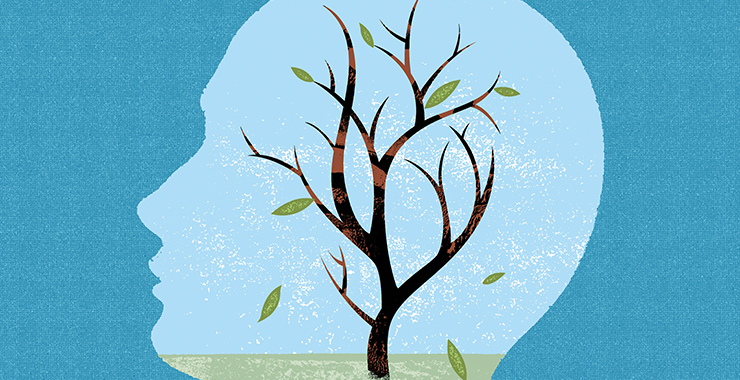
People with a genetic predisposition for Alzheimer’s disease may exhibit changes in memory up to four decades before the typical age of dementia onset, according to a study in eLife. Researchers in the United States and Norway used an online word-pair test to assess the memory of 59,571 participants ages 18 to 85. The researchers also collected information about participants’ demographics and health. In addition, 742 of those participants who reported having a first-degree relative with Alzheimer’s disease provided saliva or dried blood samples, which the researchers used to identify their APOE gene type, which is related to Alzheimer’s disease risk. The researchers found that having a first-degree relative with Alzheimer’s was associated with lower memory performance. This family history effect was particularly pronounced among carriers of the Alzheimer’s-related variant of APOE, as well as among men, those with lower educational attainment and those with diabetes. DOI: 10.7554/eLife.46179opens in new window

More guns, more domestic gun violence
In states where more households own guns, more people are killed in domestic firearm homicides, finds a state-by-state analysis in the American Journal of Preventive Medicine. Examining data from 1990 through 2016, researchers found that firearm ownership varied widely by state, from a low of 10.4% of households in Hawai‘i to a high of 68.8% of households in Wyoming, with a national ownership rate of 35.1%. The researchers found that states in the top quartile of firearm ownership had a 64.6% higher rate of domestic firearm homicides (involving family members and intimate partners) than states in the lowest quartile, but no such difference was observed for nondomestic firearm homicides (involving friends, acquaintances and strangers). Overall, about a third of firearm homicides were domestic. DOI: 10.1016/j.amepre.2019.04.009opens in new window
Restless legs
Restless-legs syndrome is associated with an increased risk of suicide and self-harm, according to a study in JAMA Network Open. The syndrome causes an uncomfortable feeling in a person’s legs resulting in the urge to repetitively move them, often during the night. Researchers examined insurance claim data from 24,179 individuals in the United States with restless-legs syndrome and 145,194 age- and sex-matched individuals between 2006 and 2014. None of the individuals reported a history of suicide attempt or self-harm at the beginning of the study period. The researchers found that, over a five-year follow-up period, people with restless-legs syndrome had a 2.7 times greater risk of suicide or self-harm than those without the syndrome. The increased risk was independent of such factors as depression, sleep disorders and common chronic diseases. DOI: 10.1001/jamanetworkopen.2019.9966opens in new window