
Lying, cheating and reading emotions
Behaving dishonestly reduces a person’s ability to read others’ emotions, suggests research in the Journal of Experimental Psychology: General. Researchers in the United States conducted eight online and laboratory studies involving 2,588 adults. In several scenarios, such as playing a gambling game or participating in a mock job interview, they either gave participants the opportunity to lie and cheat, or directly asked them to do so. Participants who lied and cheated later had more trouble accurately reading and empathizing with others’ emotions on a subsequent task, compared with participants who did not lie and cheat. The researchers also found that the effect was stronger for participants who were low in social sensitivity. DOI: 10.1037/xge0000639opens in new window
How well does this therapy work?
Brain scans of patients with depression could help clinicians predict who will respond to cognitive-behavioral therapy (CBT), suggests a study in Science Advances. CBT is not effective for all patients with major depression, and it is not possible right now to predict who will benefit from it. Researchers recruited 37 participants in the United Kingdom with depression to engage in internet-delivered CBT. Twenty-six of the participants completed the six-part CBT course. Prior to the CBT treatment, participants’ brain activity was recorded using fMRI while they performed a reinforcement learning task. The researchers found that brain activity in the right striatum and right amygdala was greater in those participants who went on to respond to CBT, and that brain activity was highest in those who showed the greatest reduction in depression symptoms. DOI: 10.1126/sciadv.aav4962opens in new window

Race, ethnicity and stigma
Youth of different genders, races and ethnicities may hold different views of mental illness, according to a study in the American Journal of Orthopsychiatry. Researchers surveyed 667 sixth graders from an urban school system in Texas on their knowledge, attitudes and behaviors regarding mental illness. Black boys exhibited less knowledge of and less positive attitudes toward people with mental illness than white and black girls. Black and Latino boys reported greater avoidance and discomfort with mentally ill peers than white girls. The researchers also asked the students to react to two scenarios involving hypothetical peers with mental illness. Black boys less often believed that the peer character with social anxiety disorder could improve with treatment compared with boys of other races and ethnicities. Latina girls were significantly more likely to avoid the character with social anxiety disorder compared with girls of other races and ethnicities. The researchers say the findings could inform future anti-stigma interventions. DOI: 10.1037/ort0000425opens in new window

Kids notice everything
Adults excel at paying selective attention to task-relevant information, but children pay attention to everything—a quality that can help kids do better than adults in some learning situations, suggests a study in Developmental Psychology. Researchers asked 34 adults and 36 4-year-old children in the United States to discriminate between two groups of colorful “alien” creatures presented as images on a computer screen. The creatures had several identifiable physical features, including one feature (dubbed the “irrelevant feature” by the researchers) that did not differ between the two types of creatures. Halfway through the experiment, the researchers announced that the irrelevant feature was going to change from trial to trial and would now be the best way to tell the creatures apart. After the switch, the adults were slower than the children in adjusting to using the previously irrelevant feature. The researchers suggest the finding indicates that young children distribute their attention more broadly than adults. DOI: 10.1037/dev0000777opens in new window
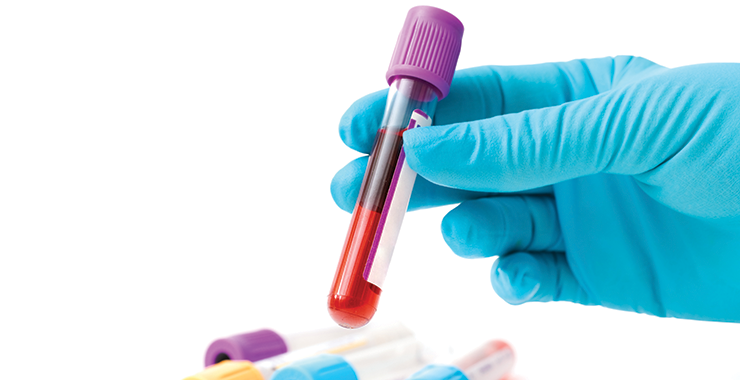
Blood test screens for Alzheimer's
When combined with other risk factors, a blood test can spot early signs of Alzheimer’s disease with 94% accuracy, according to a study in Neurology. Researchers recruited 158 adults in the United States over age 50, all but 10 of whom were cognitively normal. Each participant provided at least one blood sample and underwent one PET brain scan. The researchers used mass spectrometry to assess the ratio of levels of two forms of amyloid beta in the blood samples; that ratio decreases as the amount of amyloid plaque in the brain increases. The blood test agreed with participants’ PET scan detection of amyloid plaques 88% of the time. When blood amyloid levels were combined with two other major Alzheimer’s risk factors—age and the presence of the genetic variant APOE4—accuracy increased to 94%. The researchers say the blood test is less expensive and quicker than a PET scan: Thus, it could be used to streamline the enrollment of individuals in research studies and, with further research, could eventually be used for clinical diagnosis. DOI: 10.1212/WNL.0000000000008081opens in new window
Brain structure and intelligence
A study in the European Journal of Personality offers evidence about the brain organization of fluid intelligence (the capacity to reason and solve novel problems) and general knowledge (which is tied to crystallized intelligence, the accumulation of knowledge and facts acquired throughout life). Researchers examined the brains of 324 men and women in Germany (ages 18 to 75, mean age of 28) using structural MRI, functional MRI and diffusion tensor imaging. They found that general knowledge was associated with characteristics of the structural connections comprising brain circuits in both females and males. Fluid intelligence, on the other hand, was associated with volume of the cortex in males, and with characteristics of functional connections (patterns of activation of different brain regions) in females. DOI: 10.1002/per.2217opens in new window

Immigration arrests drive depression
Latino children whose family members are arrested by immigration authorities are at increased risk for depression, according to a study in Cultural Diversity and Ethnic Minority Psychologyopens in new window. In 2009, researchers surveyed 611 Latino seventh graders from an urban public school district in Oklahoma, one-fifth of whom had one undocumented parent and one-third of whom had two undocumented parents. The students were also assessed for symptoms of depression. Twenty-nine percent of students had experienced an immigration-related arrest of a family member, and those students were more likely to have symptoms of depression than other students. Among those students who had an arrested family member, the level of depressive symptoms was higher for those who had one undocumented parent and even higher for those with two undocumented parents. DOI: 10.1037/cdp0000299opens in new window

Kicking opioids requires more support
Successful recovery from opioid use disorder may require more intensive treatment than recovery from alcohol use disorder, indicates a study in the Journal of Addiction Medicine. Analyzing survey data from 2,002 U.S. adults who reported resolving a drug or alcohol problem, researchers found that among those who achieved medium-term recovery (between one and five years), people who had resolved an opioid problem were four times more likely than those who had resolved an alcohol problem to have used pharmacotherapy (e.g., methadone, buprenorphine or naltrexone), two and a half times more likely to have used formal addiction treatment and about two times more likely to have used recovery support services and support groups such as Narcotics Anonymous and other 12-step programs. DOI: 10.1097/ADM.0000000000000561opens in new window
First impressions
People are more likely to judge a group based on the performance of members shown first or labeled “number one” than they are on that of other members, suggests a study in the Journal of Personality and Social Psychology. In three online experiments, researchers asked 1,054 people to watch two different types of performances—gymnastics routines and relay races. The researchers found that participants judged the whole group by the performance of the first member, whether that member did poorly or well, even if they knew the performer was arbitrarily chosen to go first. In three subsequent experiments involving job performance, the researchers found that participants were more likely to turn to the first member to learn about a group and were more likely to be influenced by the first member in deciding whether to join the group. A final experiment indicated that the more homogeneous the group is perceived to be, the more likely that first-member performance will influence people’s perception of the entire group. DOI: 10.1037/pspi0000201opens in new window
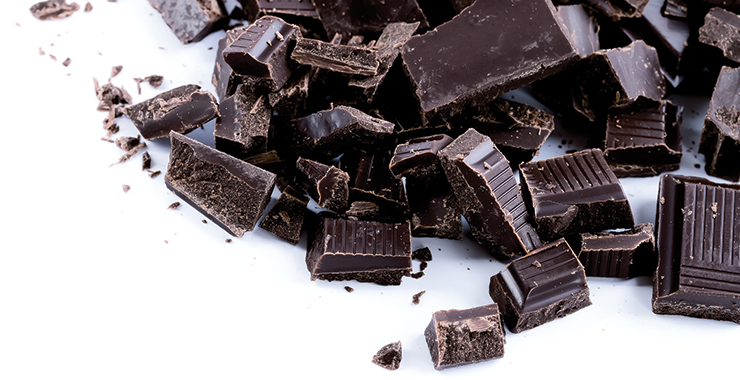
Dark chocolate brightens mood
People who eat chocolate, especially dark chocolate, report fewer depressive symptoms, according to a study in Depression & Anxiety. Researchers analyzed survey data from 13,626 U.S. adults (part of a broad nationally representative sample) about their chocolate consumption as well as their scores on a questionnaire assessing depressive symptoms. They found that individuals who reported eating any dark chocolate in the 24-hour period immediately preceding responding to the survey had 70% lower odds of reporting clinically relevant depressive symptoms than those who reported not eating chocolate at all. The researchers observed no such link between non‐dark chocolate consumption and clinically relevant depressive symptoms. However, they found that the 25% of consumers who ate the most chocolate (of any kind, not just dark) were less likely to report depressive symptoms than those who ate no chocolate. DOI: 10.1002/da.22950opens in new window

Behavior problems and vitamin D
Teenagers and preteens who have experienced vitamin D deficiency are twice as likely to develop behavior problems than peers with higher levels of the vitamin, according to a study in The Journal of Nutrition. Researchers recruited 273 children in Colombia, ages 5 to 12, into the study. They obtained information on the children’s weight, height and daily habits, as well as maternal education level and the household’s food security and socioeconomic status. The researchers also took blood samples to determine levels of vitamin D and of vitamin D binding protein, which helps transport the vitamin throughout the body. After about six years, when the children were ages 11 to 18, the researchers assessed the children’s behavior through questionnaires administered to the children and their parents. They found that vitamin D deficiency was correlated with later externalizing behavior problems and mood disorders. They also found that low levels of the protein that transports vitamin D in blood were related to more self-reported aggressive behavior and anxious/depressed symptoms. These associations were independent of other child, parental and household characteristics. DOI: 10.1093/jn/nxz185opens in new window

Binge drinking among older adults
About one in 10 older adults in the United States binge drinks, according to a study in the Journal of the American Geriatrics Society. Researchers examined demographic and self-reported alcohol use data from 10,927 U.S. adults age 65 and older between 2015 and 2017, collected as part of a broad nationally representative health survey. They found that 10.6% of older adults reported past-month binge alcohol use—defined as five drinks or more on the same occasion for men and four drinks or more for women. Binge drinking was found to be associated with use of tobacco and marijuana. In addition, male, lower-income and African American adults reported higher rates of binge drinking than female, higher-income and white adults. DOI: 10.1111/jgs.16071opens in new window

Replaced by robots
Most workers would prefer to be replaced by a robot than by another human, according to a study in Nature Human Behaviour. Researchers asked 90 undergraduate students in the Netherlands whether they would prefer an existing employee be replaced by a robot or a human. In that case, 67% of the participants said they preferred to have a human step in. But when they were asked to shift their perspective and imagine losing their own job, only 40% preferred being replaced by a human rather than a robot. Similar results were obtained in two studies with 95 white-collar workers and 124 factory laborers. The researchers also demonstrated across a handful of online and in-person studies with 1,511 participants that this preference reversal occurs because being replaced by humans, rather than machines, robots or software, is perceived by people as a greater threat to their self-esteem. In contrast, being replaced by robots is associated with a greater perceived threat to their economic future. DOI: 10.1038/s41562-019-0670-yopens in new window

Lies that become truths
Fake news stories can cause people to create false memories, especially if the content of the stories aligns with their political beliefs, suggests a study in Psychological Science. Researchers recruited 3,140 eligible Irish voters online ahead of the 2018 referendum on legalizing abortion in Ireland and asked them whether and how they planned to vote. Next, the researchers presented each participant with six news reports, two of which were fabricated stories. One fake story depicted a pro-abortion-rights politician engaging in illegal or inflammatory behavior, while the other fake story depicted an anti-abortion politician engaging in different illegal or inflammatory behavior. Nearly half of the respondents reported remembering seeing or hearing about at least one of the made-up events and about one-third claimed to recall details about one of the fabricated news stories that were not included in the story. Participants were more likely to remember unfavorable fake news about politicians supporting a view opposite their own. Participants who scored lower on a test of cognitive ability were no more prone to forming false memories than were higher scorers, but low scorers were more likely to remember false stories that aligned with their opinions. DOI: 10.1177/0956797619864887opens in new window

More emojis, more sex
More frequent use of emojis in text messages to potential romantic partners is associated with more first dates and more sexual activity, suggests a study in PLOS ONE. Researchers surveyed 5,327 single adults in the United States (average age was 42; 56% were women) and found that 28% of participants reported regularly using emojis in text messages with potential dates, while 38% reported never using them. The most common motive participants reported for using emojis was that they gave text messages more personality and made it easier to express feelings. The survey found that those who reported using emojis more often also tended to report having more first dates and more frequent sexual activity over the past year. A second survey of 275 single adults in the United States (average age was 31; 50% were women), all of whom reported using emojis, found no association between emoji use and occurrence of first dates. However, this survey did find that increased emoji use was positively related to maintaining connections with potential partners beyond a first date. The second survey also found a link between emoji use and sexual activity over the past year. DOI: 10.1371/journal.pone.0221297opens in new window
Tourette's treatment
Real-time fMRI neurofeedback, a noninvasive intervention, is a potential treatment for Tourette’s disorder, suggests a study in Biological Psychiatry. Tourette’s disorder is treated mostly with behavior therapy and pharmaceuticals, but a significant proportion of patients do not respond to either. Researchers recruited 21 participants ages 11 to 19 years old with Tourette’s disorder to receive real-time fMRI neurofeedback from the supplementary motor area (SMA), a brain region associated with tics. Participants were asked to use the feedback, which was displayed visually, to try to alternately increase and decrease activity in their SMAs. The participants showed a reduction in tic symptoms following the neurofeedback compared with a condition in which they received sham feedback. DOI: 10.1016/j.biopsych.2019.07.035opens in new window
A bad fit
When older workers’ reasoning abilities no longer match the demands of their jobs, they are more likely to develop chronic health conditions and retire early, indicates research in the Journal of Occupational Health Psychology. Researchers analyzed data from surveys conducted between 2007 and 2014 evaluating the cognitive abilities of 383 workers and retirees in the United States over the age of 51 (average age was 61). Participants reported their retirement status and the prevalence of nine chronic health conditions. The researchers also measured job demands using a database listing the knowledge, skills and abilities needed for many jobs in the United States. The researchers found that when the reasoning abilities required by participants’ longest-held jobs exceeded their abilities, they reported more adverse health conditions and were more likely to be retired. When participants’ reasoning abilities met or exceeded their jobs’ demands, they reported fewer chronic health conditions. DOI: 10.1037/ocp0000164opens in new window

Silent strokes sap cognition
Seniors experiencing covert (or “silent”) strokes—interruptions in blood flow to the brain that are not associated with immediate clinical symptoms of stroke—during or following surgery are at double the risk of cognitive decline one year later, indicates a study in The Lancet. Researchers recruited 1,114 elective, noncardiac surgery patients ages 65 years and older from 12 medical centers in North and South America, Asia, New Zealand and Europe. Based on MRIs taken within nine days following surgery, the researchers found that 1 in 14 patients had a covert stroke. The researchers also found that patients who had a covert stroke were more likely to experience delirium immediately following surgery as well as cognitive decline, overt stroke or transient ischemic attack within one year, compared with patients who did not have a covert stroke. DOI: 10.1016/S0140-6736(19)31795-7opens in new window