skip to main content

Connecting With Caregivers

Consumer Supplement to the Family Caregivers Briefcase

Are you a family caregiver? Do you:

  • Help manage a family member's finances?
  • Provide transportation for a family member to and from appointments?
  • Help a family member with household chores on a daily basis?
  • Provide assistance with medication management for a family member?
  • Regularly check in with a family member to offer support?

If you answered yes to any of these questions, then you are considered a family caregiver.

You Are Not Alone

According to estimates from the National Alliance for Caregiving, during the past year, 43.5 million Americans, young and old, are family caregivers for relatives or friends who may be ill, disabled or frail. They provide care for both children and adults.

The network of family caregivers encompasses a diverse group of individuals spanning various ages, racial and ethnic backgrounds, gender, education, income and occupation.

Caregivers of Adults

Caregivers of Adults

Resources for caregivers who work with children and individuals from diverse cultural backgrounds.

Young Caregivers

Young Caregivers

Support organizations for teens, kids and other youth involved in caregiving.

Caregivers of children

Caring for Children

Alzheimer's disease, family and government caregiver resources for youth.

Addiction and caregiving

Mental Health and Addictive Disorders

Resources for caregivers of individuals with mental health disorders, support for children of alcoholics, substance abuse programs and treatment locators.

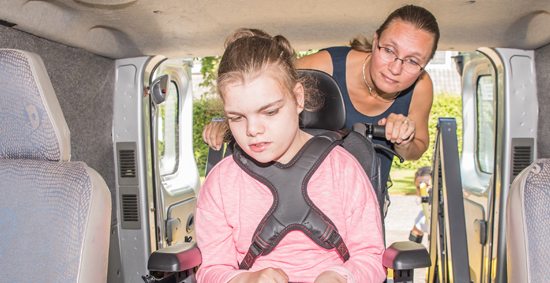
Individuals with Disabilities

Individuals with Disabilities

Links to organizations that support people with disabilities and special needs.

Multicultural Caregivers

Multicultural Caregivers

Links to organizations and tools for caregivers of individuals from specific cultural groups.

Service members and veterans

Service Members and Veterans

Post-traumatic stress disorder, traumatic brain injury and other mental health resources.

LGBT Adults

LGBT Adults

Help for caregivers LGBT older adults.

End of Life

End of Life

An overview of what to expect when caring for a loved one at the end of their life.

Caring for Yourself

Family caregivers experience both stress and disruption of their own well-being and social activities when caring for a loved one. As a caregiver, it is important that you take the time to consider your own well-being and take care of yourself too.

Step back and take a moment to consider if the stress is manageable or if you are feeling an excessive amount of psychological or physical strain, worsening health problems or feeling overburdened. In either case, or particularly if the stress of caregiving is becoming too big of a burden, there are ways to help take better care of yourself.

These web pages will equip you with information and resources to help:

  • Assess your own well-being.
  • Be more informed about specific issues you and your loved one face.
  • Handle various health and financial challenges.
  • Find support before and if you are feeling overwhelmed.

Connect

There are a number of organizations devoted to helping caregivers. See resources below to connect yourself to support you may need.

Find Help Where You Live

Find programs, services and resources that are available in your geographic area. These tools can help you determine your eligibility for assistance, find caregiver support and respite services, locate resources for children with special needs and older adults, and link to legal and health care resources.

What It Takes

Learn what it means to be a caregiver

  • Caregiver Action Networkopens in new window  
    View a series of videos of caregivers who relay their day to day experiences and strategies that have helped them address caregiving situations that they have faced.
  • I Heart Caregiversopens in new window 
    Share your and read others' “family caregiving stories that inspire us all.” This resource is from the American Association of Retired Persons (AARP).
What Do You Need?

Discovering needs and strengths for you and your loved ones

More Organizations

Organizations that provide a wealth of caregiving information and resources

Connecting with Caregivers was developed in 2016 with the support of Rebecca Delaney, MS. It provides practical guidance for family caregivers and is a companion to the APA Family Caregiver Briefcase that is for professional audiences.

Date created: 2017