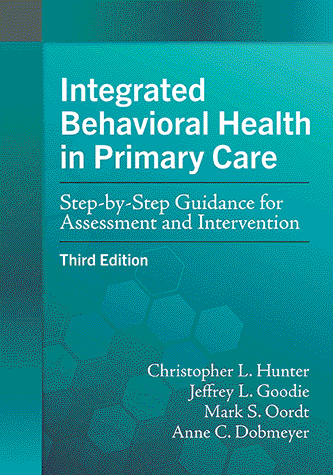
Integrated Behavioral Health in Primary Care
Available formats
Also available from
- Doody's Core Title
Now in its third edition, Integrated Behavioral Health in Primary Care details the relevant updates in the field for behavioral health care practitioners and offers targeted clinical assessment and intervention strategies that will meet the future needs of educators, students, and clinicians.
Drawing on comprehensive research evidence and the authors’ decades of clinical experience, this book offers practical guidance for behavioral health care practitioners who want to work more effectively in the fast-paced and complex setting of primary care. Chapters provide an overview of the key foundational concepts and applications of behavioral health within the primary care setting, and detail the competencies required for optimal assessment and intervention outcomes. The authors give detailed, practical advice for addressing common behavioral health concerns including depression, anxiety, health behaviors, pain disorders, substance misuse, and other pertinent problems, as well as special issues such as managing suicidal risk.
Key updates to this third edition include:
- an expanded exploration of core competencies and clinical practice management skills;
- a review of the neuromatrix theory of pain model, as well as additional important considerations for assessing and treating fibromyalgia and other pain disorders, and;
- assessment and intervention guidelines for opioid misuse.
List of Figures
Introduction
Part I. Foundations of Integrated Behavioral Consultation Service
- Chapter 1. Population Health and the Patient-Centered Medical Home
- Chapter 2. Core Competencies and Clinical Practice Management Skills
- Chapter 3. Conducting the Initial and Follow-Up Consultation Appointments
- Chapter 4. Common Behavioral and Cognitive Interventions in Primary Care: Moving Out of the Specialty Mental Health Clinic
Part II. Common Behavioral Health Concerns in Primary Care
- Chapter 5. Depression, Anxiety, Posttraumatic Stress Disorder, and Insomnia
- Chapter 6. Health Behaviors: Tobacco Use, Overweight and Obesity, and Physical Inactivity
- Chapter 7. Diabetes
- Chapter 8. Chronic Obstructive Pulmonary Disease and Asthma
- Chapter 9. Cardiovascular Disease
- Chapter 10. Pain Disorders
- Chapter 11. Unhealthy Substance Use: Alcohol, Illicit Drugs, and Prescription Medication
- Chapter 12. Sexual Problems
- Chapter 13. Special Considerations for Older Adults
- Chapter 14. Obstetrics and Gynecology
- Chapter 15. Children, Adolescents, and Parenting
- Chapter 16. Couple Distress
Part III. Special Issues
- Chapter 17. Managing Suicide Risk in the Primary Care Setting
- Chapter 18. Developing Clinical Pathways and Implementing Shared Medical Appointments
References
Index
About the Authors
Christopher L. Hunter, PhD, ABPP, is board certified in clinical health psychology and codirects C & C Hunter Consulting. He has over 2 decades of experience developing and implementing integrated primary care behavioral health services in internal and family medicine clinics. He also has extensive experience training individuals to work in primary care and treat common mental health conditions, health behavior problems, and chronic medical conditions. He is a coauthor of the book Integrating Behavioral Health Into the Medical Home: A Rapid Implementation Guide (2016).
Jeffrey L. Goodie, PhD, ABPP, is a board-certified clinical health psychologist and a professor in the Department of Family Medicine, with a secondary appointment in the Department of Medical and Clinical Psychology, at the Uniformed Services University of the Health Sciences (USU) in Bethesda, Maryland. He currently serves as the deputy director of research in the family medicine department at USU. Dr. Goodie has extensive experience as a behavioral health consultant in family medicine, internal medicine, and obstetrics and gynecology clinics. His contributions extend to the training of psychology and social work residents and providers, focusing on delivering behavioral health interventions in integrated primary care settings. In addition to his work at USU, Dr. Goodie has held the position of president of the American Board of Clinical Health Psychology. He is a fellow of multiple organizations, including the American Psychological Association, the Society of Behavioral Medicine, and the Association of Behavioral and Cognitive Therapies.
Mark S. Oordt, PhD, ABPP, is a retired U.S. Air Force clinical health psychologist and a diplomate of the American Board of Professional Psychology in clinical health psychology. His specific professional interests include integrated behavioral health in primary care settings, assessment and treatment of suicidal risk, substance abuse prevention, and behavioral health care with military populations. He currently owns and operates a clinic providing rehabilitation services for individuals with neurological, vestibular, and orthopedic conditions.
Anne C. Dobmeyer, PhD, ABPP, is a clinical health psychologist who has been actively involved in implementation and training in integrated primary care for the past 2 decades. She has established fully integrated primary care behavioral health services in family medicine, internal medicine, and women’s health clinics and provided training and consultation to clinics and medical centers across the country. Her publications and presentations primarily focus on training, implementation, and evaluation of integrated primary care programs. She has served as president of the American Board of Clinical Health Psychology and as a trustee of the American Board of Professional Psychology. She is the author of the book Psychological Treatment of Medical Patients in Integrated Primary Care (APA Books).
I have great admiration for the strong writing of this accomplished team of clinicians, researchers, and teachers. This book, their third edition, provides easy-to-use guidance for students, new practitioners, and seasoned mental health clinicians alike. This is truly a desktop essential for all mental health providers aspiring to apply time-efficient and powerful interventions, informed by the current evidence.
—Patti Robinson, PhD, coauthor of "Behavioral Consultation and Primary Care: A Guide to Integrating Services, Second Edition"
This book is in my top three recommended books on primary care behavioral health. It is a must-have especially for clinicians new to PCBH who are struggling with understanding how behavioral health consultants can achieve substantial results in a 30-minute consult. Chock full of practical tips, forms, and checklists, this resource needs to be on every behavioral health consultant’s bookshelf.
—Neftali Serrano, PsyD, Chief Executive Officer, Collaborative Family Healthcare Association, Chapel Hill, NC
I have been waiting for the next edition of this book and here it is! This new edition provides research updates so the busy clinician can be up-to-date with evidence-based approaches for primary care. If you provide clinical services as a behavioral health consultant in primary care or supervise behavioral health consultants, this book is for you.
—Stacy Ogbeide, PsyD, ABPP, CSOWM, Associate Professor of Family & Community Medicine, UT Health San Antonio, San Antonio, TX
Welcome to the instructor resources for Integrated Behavioral Health in Primary Care: Step-by-Step Guidance for Assessment and Intervention, Third Edition.
Transition Guide: What Is New in the Third Edition (PDF, 63KB)opens in new window
The resources available below are figures, handouts, worksheets, graphics, checklists, and mentoring forms, in addition to downloadable assessment scripts that may be tailored to your needs. These materials appear in the printed book, ebook, and full-text subscription database version of the book. We provide them here for your convenience. Feel free to download these materials for your personal use. If you wish to repost, reprint, or adapt them for publication, permission is required from the publisher or, where indicated, from the creators.
© 2024 American Psychological Association.
Because of their number and size, the materials from each chapter are gathered into one PDF for each chapter. To access the materials, click on the chapter link below. Descriptions of materials for each chapter are below.
Introduction (PDF, 58KB)opens in new window
- Figure I.1 The 5As Model of Behavior Change in Primary Care
Chapter 1. Population Health and the Patient-Centered Medical Home (PDF, 68KB)opens in new window
- Figure 1.1 Factors Affecting Health Outcomes
- Figure 1.2 Patient-Centered Medical Home Principles
Chapter 2. Core Competencies and Clinical Practice Management Skills (PDF, 147KB)opens in new window
- Figure 2.1 BHC Core Competencies
- Figure 2.2 Marketing Survey
- Figure 2.3 Consultation Request
- Figure 2.4 Problem of the Week
- Figure 2.5 Appointment Template
- Figure 2.6 Provider Survey
- Figure 2.7 Note Example
- Figure 2.8 Additional Training
Chapter 3 Scripts (Word, 29KB)opens in new window
- Figure 3.1 Structure for the Initial Consultation Appointment Linked With the 5As
- Figure 3.2 Behavioral Health Consultation Service
- Figure 3.3 Functional Assessment of the Problem
- Figure 3.4 Behavioral Prescription (Rx) Pads
- Script Introducing the BHC Service
- Transition Script Before Giving Summary (new for downloads in Third Edition)
- Transition Script Before Describing Treatment Options (new for downloads in Third Edition)
Chapter 4 Scripts (Word, 41KB)opens in new window
- Figure 4.1 Deep Breathing
- Figure 4.2 Cue-Controlled Relaxation
- Figure 4.3 How to Question Stressful, Angry, Anxious, and Depressed Thinking
- Figure 4.4 Thinking Mistakes That Increase Stress, Anger, Depression, Anxiety, and Worry
- Figure 4.5 Disputing/Challenging Thoughts and Beliefs
- Figure 4.6 Strategies to Improve Motivation to Change
- Figure 4.7 Problem-Solving Worksheet
- Figure 4.8 Monitoring Behavioral Triggers
- Figure 4.9 Stimulus Control Plan
- Figure 4.10 Assertive Communication
- Figure 4.11 Recommended Mobile Applications to Support Common Cognitive Behavior Interventions
- Script Introducing Relaxation Training
- Script for Guided Deep (Diaphragmatic) Breathing
- Script Introducing Cue-Controlled Relaxation
- Script for Guided Progressive Muscle Relaxation
- Script for Guided Imagery Relaxation
- Script for Mindfulness Exercise #1
- Script for Mindfulness Exercise #2
- Script Introducing Cognitive Disputation
- Script Introducing Acceptance and Commitment Therapy (ACT)
- Script Introducing Behavioral Self-Analysis
- Script Introducing Stimulus Control for Behavior Change
Chapter 5 Scripts (Word. 30KB)opens in new window
- Figure 5.1 Depression Spiral Handout
- Figure 5.2 Resources for Patients With Depression: Websites, Mobile Applications, and Books
- Figure 5.3 Mnemonic to Screen for Generalized Anxiety Disorder
- Figure 5.4 Anxious Worry Handout
- Figure 5.5 Worry Management Handout
- Figure 5.6 Anxiety Questions
- Figure 5.7 Panic Disorder Handout
- Figure 5.8 Situational Exposure Hierarchy Handout
- Figure 5.9 Resources for Patients With Anxiety: Websites, Mobile Applications, and Books
- Figure 5.10 Primary Care PTSD-5 Screen
- Figure 5.11 Resources for Patients With PTSD: Websites, Mobile Applications, and Books
- Figure 5.12 Insomnia Severity Index
- Figure 5.13 Improving Sleep Through Behavior Change Handout
- Figure 5.14 Sleep Restriction Handout
- Figure 5.15 Resources for Patients With Insomnia: Websites, Mobile Applications, and Books
- Panic Disorder Assist Phase Script
- Insomnia Advise Phase Script
- Figure 6.1 Tobacco Cessation
- Figure 6.2 Resources for Patients Using Tobacco: Websites, Mobile Applications, and Books
- Figure 6.3 Personal Food Diary
- Figure 6.4 The C.A.M.E.S.™ Principle for Improvement
- Figure 6.5 Modifying Eating Habits
- Figure 6.6 Resources for Patients Wanting to Lose Weight: Websites, Mobile Applications, and Books/Documents
- Figure 6.7 Weight Maintenance
- Figure 6.8 Resources for Patients Who Want to Increase Physical Activity: Websites, Mobile Applications, and Books/Documents
- Figure 6.9 Examples of Moderate and Vigorous Activities
- Figure 6.10 Increasing Physical Activity
Chapter 7. Diabetes (PDF, 90KB)opens in new window
Chapter 7 Script (Word, 29KB)opens in new window
- Figure 7.1 Handout for Diabetes Goal Setting
- Figure 7.2 Handout for Diabetes Self-Monitoring
- Figure 7.3 Resources for Patients With Diabetes: Websites, Mobile Applications, and Books
- Diabetes Advise Phase Script
Chapter 8. Chronic Obstructive Pulmonary Disease and Asthma (PDF, 263KB)opens in new window
Chapter 8 Scripts (Word, 31KB)opens in new window
- Figure 8.1 Shortness of Breath Cycle for COPD and Asthma Patient Handout
- Figure 8.2 COPD Assessment Questions
- Figure 8.3 Pursed-Lip Breathing Patient Handout
- Figure 8.4 Resources for Patients With COPD: Websites, Mobile Applications, and Books
- Figure 8.5 Handout for Asthma Assessment Questions
- Figure 8.6 Asthma Monitoring Form Patient Handout
- Figure 8.7 Asthma Allergen and Exposure Checklist Patient Handout
- Figure 8.8 Resources for Patients With Asthma: Websites, Mobile Applications, and Books
- COPD Advise Phase Script
- COPD Agree Phase Script
- Asthma Advise Phase Script
- Asthma Agree Phase Script
Chapter 9. Cardiovascular Disease (PDF, 112KB)opens in new window
- Figure 9.1 Classification of Blood Pressure for Adults
- Figure 9.2 Resources for Patients With Cardiovascular Disease: Websites, Mobile Applications, and Books
- Figure 9.3 Components of the DASH Eating Plan
- Figure 9.4 Assessment Questions for Patients With Cardiovascular Disease
- Figure 9.5 High Blood Pressure Handout
- Figure 9.6 Diet Change Handout
Chapter 10. Pain Disorders (PDF. 130KB)opens in new window
Chapter 10 Scripts (Word, 32KB)opens in new window
- Figure 10.1 Understanding Chronic Pain Handout
- Figure 10.2 True or False: Common Pain Beliefs
- Figure 10.3 Pacing Activities Handout
- Figure 10.4 Five Steps for Managing Intense Pain Episodes
- Figure 10.5 Resources for Patients With Chronic Pain: Websites, Mobile Applications, and Books
- Figure 10.6 Monitoring Pain Handout
- Figure 10.7 Headache Monitoring Form
- Script for Explaining the Role of Psychological Factors in Pain
- Script for Introducing Skills and Changes That Might Affect Pain Symptoms, Functioning, and Suffering
- Script for Introducing Pacing Activities to Help Manage Pain
Chapter 11 Script (Word, 28KB)opens in new window
- Figure 11.1 Common Mistakes and Assumptions About Alcohol Patient Handout
- Figure 11.2 What Is a “Standard Drink”?
- Figure 11.3 Four As for Managing Alcohol Consumption Patient Handout
- Figure 11.4 Resources for Patients With Unhealthy Substance Use: Websites, Mobile Applications, and Books
- Figure 11.5 NIDA Quick Screen V1.01
- Figure 11.6 Questions 1–8 of the NIDA-Modified ASSIST V2.0
- Unhealthy Alcohol Use Advise Phase Script
Chapter 12. Sexual Problems (PDF, 121KB)opens in new window
- Figure 12.1 Erectile Dysfunction Handout
- Figure 12.2 Resources for Patients With Sexual Problems Handout: Websites and Books
- Figure 12.3 Sexual Problems and Self-Management Interventions Handout
- Figure 12.4 Gaining Control Over Premature Ejaculation Handout
- Figure 12.5 Sample Assessment Questions for Female Orgasmic Disorder
- Figure 12.6 Developing Helpful Beliefs for Enhancing Arousal and Orgasm Handout
Chapter 13. Special Considerations for Older Adults (PDF, 86KB)opens in new window
Chapter 13 Scripts (Word, 30KB)opens in new window
- Figure 13.1 Resources for Older Adults: Websites and Mobile Applications
- Figure 13.2 Geriatric Depression Scale 5/15
- Figure 13.3 Bereavement, Grief, and Mourning Handout
- Cognitive Functioning Assist Phase Script
- Incontinence Assist Phase Script
Chapter 14. Obstetrics and Gynecology (PDF, 125KB)opens in new window
- Figure 14.1 Resources for Patients Demonstrating Peripartum Depression: Websites and Books
- Figure 14.2 Resources for Patients Demonstrating Chronic Pelvic Pain: Websites, Mobile Applications, and Books
- Figure 14.3 Additional Functional Assessment Questions for Women Going Through Menopause
- Figure 14.4 Hot Flash Symptom Diary
- Figure 14.5 Managing Menopausal Hot Flashes With Reassuring Thinking
- Figure 14.6 Resources for Patients With Menopause: Websites, Mobile Applications, and Books
Chapter 15. Children, Adolescents, and Parenting (PDF, 114KB)opens in new window
- Figure 15.1 Resources for Patients With Behavior Management Problems: Websites, Mobile Applications, and Books
- Figure 15.2 Age-Appropriate Techniques for Childhood Discipline
- Figure 15.3 Short Screening Instrument for Psychological Problems in Enuresis
- Figure 15.4 Bed-wetting Monitoring Chart
- Figure 15.5 Resources for Patients Who Wet the Bed: Websites and Books
- Figure 15.6 Resources for Patients With Attention-Deficit/Hyperactivity Disorder: Websites and Books
Chapter 16. Couple Distress (PDF, 121KB)opens in new window
Chapter 16 Scripts (Word, 29KB)opens in new window
- Figure 16.1 Relationship Problems Sample Assessment Questions
- Figure 16.2 Effective Listening Handout
- Figure 16.3 Communication Practice Plan Handout
- Figure 16.4 Problem-Solving Guidelines for Couples Handout
- Figure 16.5 Behavior Exchange Handout
- Figure 16.6 Sample Intimate Partner Violence Safety Plan
- Figure 16.7 Resources for Couples: Websites, Mobile Applications, and Books
- Couples Agree Phase Script
- Couples Rewarding Desired Behavior Script
- Couples Behavior Exchange Description Script
Chapter 17. Managing Suicide Risk in the Primary Care Setting (PDF, 351KB)opens in new window
- Figure 17.1 Protective and Risk Factors for Suicide
- Figure 17.2 ASQ Suicide Risk Screening Tool
- Figure 17.3 Suicide Risk Assessment Components
- Figure 17.4 Recommended Actions for Primary Care Providers for Levels of Suicide Risk
- Figure 17.5 Crisis Response Planning Worksheet
- Figure 17.6 Sample Crisis Response Plan
- Figure 17.7 Brief Suicide Management Interventions Applicable to Primary Care
- Figure 17.8 Resources for Patients With Suicidal Ideation: Telephone, Websites, and Mobile Applications
- Figure 18.1 DIGMA Appointment Introduction
- Figure 18.2 Provider Resources