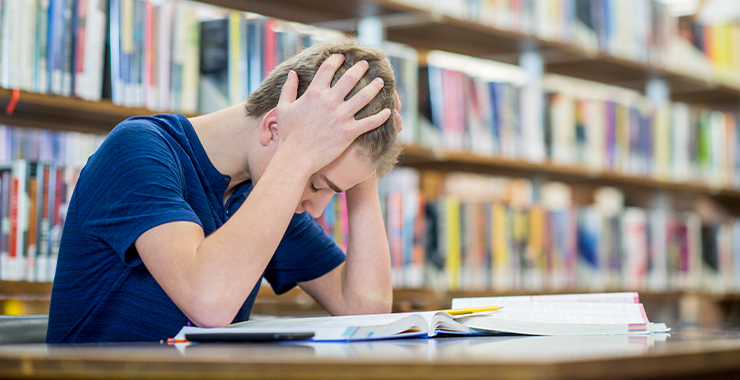
In the short term, stress can push a child to practice for her piano recital or inspire a teen to study when he’d rather be out with friends. But chronic stress—for example, from unrelenting school pressures, social unrest, or violence—is different. Left unchecked, long-term stress can contribute to a long list of physical and mental health problemsopens in new window. Prolonged stress can cause high blood pressure, weaken the immune system, and contribute to diseases such as obesity and heart disease. It can also lead to mental health problems such as anxiety and depression—disorders that are becoming more common in youth.
[Related: U.S. teens need far more emotional and social support]
Mental illness is at an all-time high—especially among children. In fact, between 2016 and 2020, the number of children aged 3 to 17 diagnosed with anxiety grew by 29% and those with depression by 27%, according to a study published in 2022 in JAMA Pediatricsopens in new window.
Stress in young people doesn’t always look like stress in adults. But like adults, children and teens—even those with life-altering losses—can find healthy ways to cope. Together, young people and their parents or caregivers can learn to spot the signs of excess stress and, with the right tools, manage it.