In 2021, APA’s Council of Representatives passed two resolutions addressing sexual orientation (PDF, 322KB)opens in new window and gender identity (PDF, 106KB)opens in new window change efforts, both opposing such change efforts given evidence of harm and lack of evidence of efficacy.
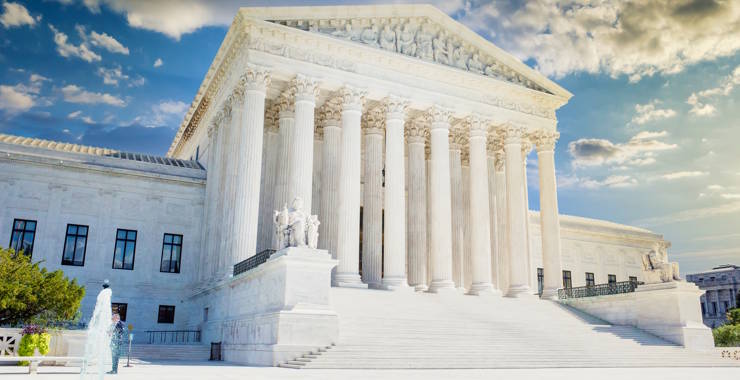
In March 2025, the Supreme Court of the United States announced it would hear a case on the topic of “conversion therapy.” In Chiles v. Salazar, the Supreme Court heard arguments on what therapists may say to their patients—specifically, whether counseling is “conduct” or “speech,” and whether counseling is entitled to protection under the First Amendment and the Free Exercise Clause.
Kaley Chiles, a Colorado-licensed professional counselor, challenged a state law that bars licensed mental health providers from performing “conversion therapy” on minors—counseling minors to change their “sexual orientation or gender identity, even if clients have requested wanting to change their behaviors or gender expressions,” as stated in her petition. Colorado law prohibits mental health care providers from engaging in “conversion therapy” with patients younger than age 18, based on “overwhelming evidence that efforts to change a child’s sexual orientation or gender identity are unsafe and ineffective.”
In August 2025, APA filed an amicus brief in support of the law, which was joined by the American Psychiatric Association and 12 other mental health and medical professional organizations. The brief explained the scientific, professional nature of therapy, justified the state’s regulation of professional conduct, and described the scientific evidence of the harms that conversion efforts cause. APA presented extensive evidence showing that SOGICE (sexual orientation and gender identity change efforts) do not meet the criteria of a legitimate therapeutic treatment, are potentially harmful, discredited practices, and are not supported by credible scientific evidence. The brief reaffirms APA’s 2009 report findings that SOGICE are ineffective at changing sexual orientation and can pose a risk of harm to individuals who undergo them, with updated 2021 resolutions confirming that SOGICE lack sufficient bases in scientific principles.
On March 31, 2026, the U.S. Supreme Court directed the Tenth Circuit to reconsider the case under a stricter constitutional standard. The decision leaves open the question of whether states can still enact laws that protect patients from harmful therapeutic practices delivered through talk therapy. Read APA’s full statement on the ruling.
APA is conducting a careful analysis of the opinion’s scope and will work with state psychological associations, licensing boards, and policymakers to assess its impact and identify appropriate responses to protect patients within the constitutional parameters the Court has established.