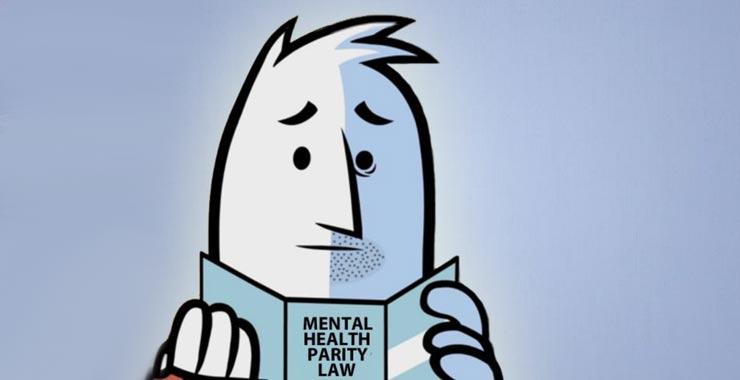
Mental health disorders are the leading cause of disability in the United States. According to the Substance Abuse and Mental Health Services Administration (SAMHSA), more than 41 million Americans were estimated to experience mental illness in 2012. Yet, an overwhelming majority of Americans remain unaware that health insurers are required to provide coverage for mental health, behavioral health and substance-use disorders that is comparable to coverage for physical health.
In a survey (PDF, 651KB)opens in new window recently conducted by the American Psychological Association (APA), only four percent of Americans say they are aware of the Mental Health Parity and Addiction Equity Act of 2008, which requires mental and behavioral health coverage to be equal to or better than coverage for physical health, with no annual limits or higher co-pays or deductibles for treatment of mental health disorders or substance-use. The law applies to most employer-provided health plans and to individual plans purchased through the new state and federal health insurance exchanges.
Read more about the federal parity law on the Psychology Help Center
- 2014 Mental Health Parity Survey — Report (PDF, 651KB)opens in new window
- Few Americans Aware of Their Rights for Mental Health Coverage —Press Release
- Consumer Guide: What You Need to Know About Mental Health Coverage
- An Employer's Guide to the Mental Health Parity and Addiction Equity Act
Additional resources
- MentalHealth.gov
- Substance Abuse and Mental Health Services Administration
- U.S. Department of Health and Human Services Centers for Medicare and Medicaid Servicesopens in new window
- The Paul Wellstone and Pete Domenici Mental Health Parity and Addiction Equity Act of 2008opens in new window