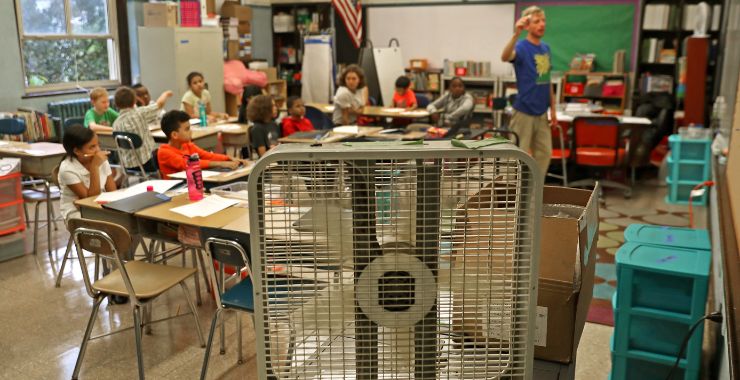
Extreme heat is a growing, daily threat to children’s health, development, and ability to learn. Children and adolescents are uniquely vulnerable: their bodies regulate heat differently than adults’, and their brains are still developing. Schools are a central context in this crisis, since children spend a substantial portion of their waking hours in school buildings, often during the hottest parts of the day and year. A new report from APA as a member of the Network for Resilient PK–12 Schools in Extreme Climates reviews the evidence and offers science-backed recommendations for comprehensive heat planning in schools.
Here are nine key takeaways from the report:
Extreme heat can cause acute physical symptoms such as dehydration, heat cramps, dizziness, nausea, and skin conditions. Physiologically, heat can elevate stress hormones, disrupt sleep, increase inflammation, and impair cardiovascular and immune functioning, and prolonged exposure even accelerates biological aging.
Optimal classroom temperatures fall between 68–73.4°F (20–23°C), and deviations above this range reduce both speed and accuracy in cognitive tasks. U.S. academic achievement data show lower test scores among students on hot school days, with air conditioning helping to offset these effects.
Mental health effects of excessive heat are evident across age groups. Extreme heat events are linked to increases in emergency department visits for mood disorders, self-harm, and suicidality among children and adolescents, as well as anxiety and exacerbations of bipolar and psychotic disorders.
Rising temperatures are associated with aggressive behavior in adolescents, as well as increased absenteeism, driven primarily by illness-related absences and suggesting heat may affect educational outcomes not only through its effects on learning and cognition, but also by causing students to miss more days of school. Beyond conduct, children report elevated distress about climate events, including worry, helplessness, and despair, that can reduce motivation and erode resilience.
Educators’ well-being and effectiveness decline under heat stress. Symptoms include fatigue, headaches, dizziness, and exhaustion, and over time, uncomfortable conditions can contribute to emotional exhaustion, reduced efficacy, and burnout, potentially leading to attrition.
For parents and caregivers, hot days disrupt routines, strain family relationships, and pose mental and physical health risks. Higher temperatures are linked to increased interpersonal conflict that can spill over into parenting, and hot nights impair restorative sleep for both caregivers and children, fueling mood problems and emotion regulation difficulties. Families experiencing energy insecurity or crowded housing may have even fewer options for cooling, increasing caregiver stress.
The impacts of heat are not evenly distributed. They amplify existing inequities and disproportionately affect those with the fewest resources and the greatest vulnerabilities, including young children, low-income families, and communities of color.
The report offers research-informed recommendations for comprehensive heat planning in schools. These include designating district-level heat leadership and accountability structures, developing heat thresholds and monitoring procedures integrated into safety planning, prioritizing mitigation in the locations where heat causes the greatest harm, and ensuring automatic protection for students and staff who are more vulnerable to extreme heat, with individual actions like hydration or light clothing treated as the last layer of protection rather than the primary defense.
The report recommends treating extreme heat like a “snow day for cognition,” since high temperatures measurably impair memory, attention, and decision-making. Districts should formalize heat-responsive instruction plans, similar to snow-day protocols or high-stakes testing calendars, that reduce cognitive demands on the hottest days by postponing assessments and adjusting instructional load rather than expecting business as usual.