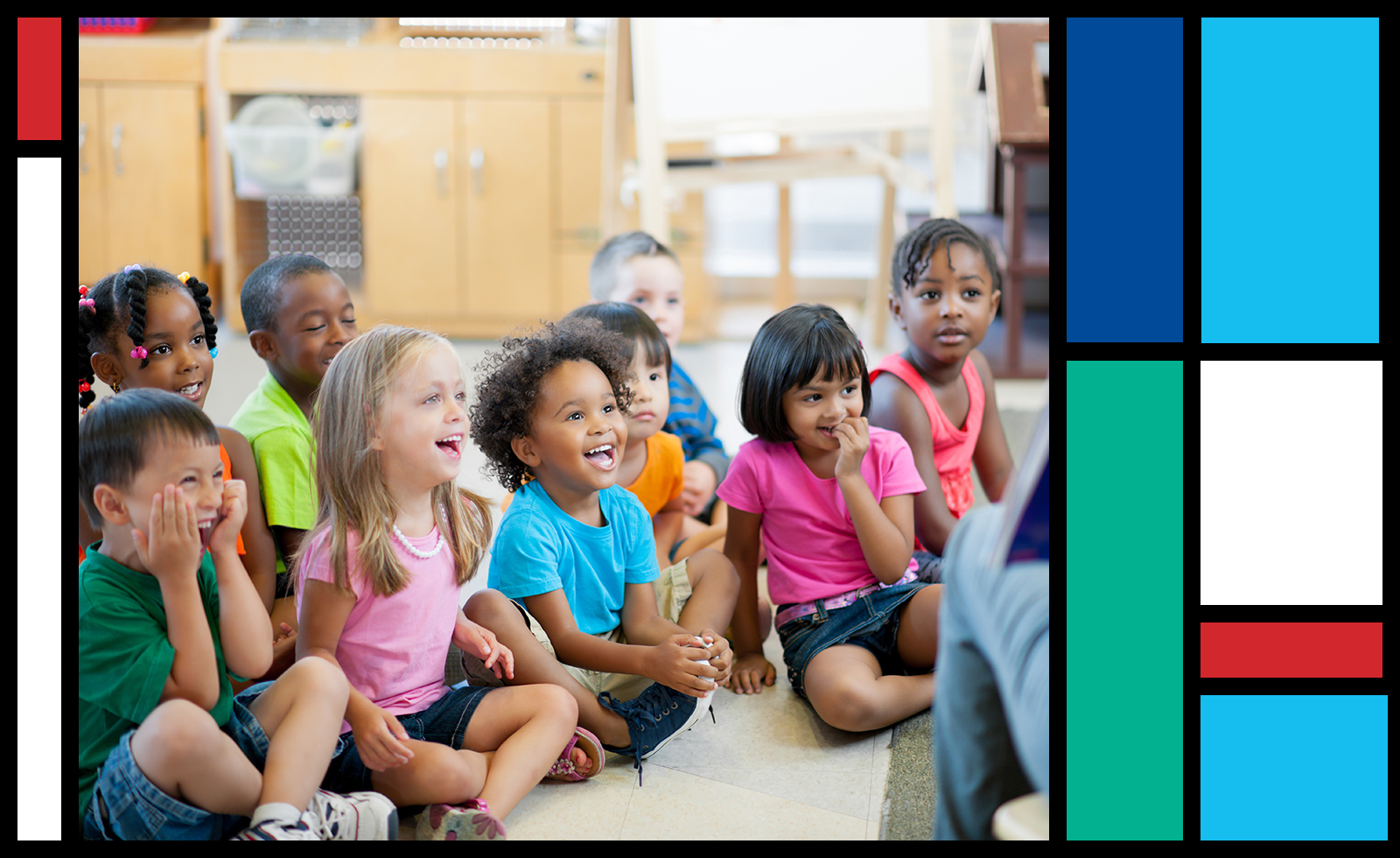
How can the classroom best be managed? Principles 16–17 outline effective learning environments for children
Principle 16: Expectations for classroom conduct and social interaction are learned and can be taught using proven principles of behavior and effective classroom instruction.
Children’s ability to learn is as much affected by their emotional and behavioral self-regulation as is it by their cognitive skill. Children’s behavior that does not conform to classroom rules or teacher expectations cannot simply be regarded as a distraction to be eliminated before instruction can take place. Rather, behaviors conducive to learning and appropriate social interaction are best taught at the beginning of the academic year and continuously reinforced throughout the year.
Tips for teachers
Skills needed for effective classroom participation, including getting along with others, paying attention, following directions, and managing emotions can be taught through direct instruction embedded in daily activities, offering repeated opportunities to practice these skills.
Classroom expectations may begin at a basic level to orient children to the classroom setting and the structure of the school day. Behavioral expectations should increase in complexity over time as children become better able to comply.
Families should be included in activities and processes aimed at developing children’s cognitive, social, emotional and behavioral skills.
Principle 17: Effective classroom management is based on (a) setting and communicating high expectations, (b) consistently nurturing positive relationships, and (c) providing a high level of support.
To be both effective and culturally responsive, teachers can develop and maintain strong, positive relationships with children by consistently communicating that they value each child. Children need to have a clear understanding of the behavioral rules and expectations of the classroom, and these expectations must be communicated directly and frequently, as well as being consistently enforced. Behavioral expectations should begin with simple tasks and increase in complexity throughout the year so that children are ready for the structured school setting by the end of their pre-K experience.
Tips for teachers
Children profit from a predictable structure, high expectations for cognitive growth and classroom behavior, and consistent modeling, reminders, and support for learning what is expected to meet those expectations.
A safe and well-arranged physical environment, a predictable schedule, and rules that are clearly explained and consistently reinforced all contribute to a safe and orderly learning climate that reduces distraction and keeps the focus on learning and development of skills.
Modeling the role of emotion, attention and learning during daily activities through purposeful interaction with each child helps to create a positive classroom environment and develops a productive pathway for learning.
Teachers benefit from targeted support such as continuing education opportunities, mentoring, and collaboration with peers and to help them master positive behavior management techniques and warm, nurturing approaches to working with young children.