

Up in the Air
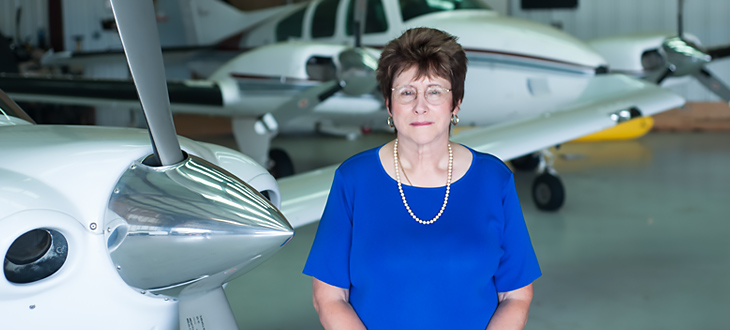
When a Germanwings pilot diagnosed with depression purposely crashed a jet into the French Alps in 2015, killing all 150 people on board, the media wanted to know how and why this could happen. The expert many turned to was psychologist Diane Damos, PhD. Damos is one of the few psychologists in the United States who specializes in civilian pilot selection, having for more than 30 years advised U.S. and international private airlines as well as the Navy and Air Force. Because of that experience, she knew that Lufthansa, Germanwings’s parent company, had a stringent pilot screening program. “It’s days and days of standardized testing, assessing all sorts of cognitive abilities, interviews with clinical psychologists—it is extensive,” she told one reporter.
So why didn’t this screening catch this pilot’s mental illness beforehand? “Any test that you give has what we call false negatives and false positives,” Damos told Slate.com. With psychometric screening, a false negative could mean missing someone who has suicidal tendencies, and a false positive could mean saying someone has suicidal tendencies when they really don't. “If you were to put one of these in place, you could screen out a lot of people as suicidal who really aren’t, and that could ruin a lot of people’s careers and cause a lot of collateral damage,” she said.


