In the months following Hurricane Maria, 1.5 million Puerto Ricans lived without power, around 4% of the population migrated from the island and nearly 3,000 people died in storm-related incidents, according to a report commissioned by the Puerto Rican governmentopens in new window from the George Washington University Milken Institute School of Public Health (2018).
Today, the island’s residents are still dealing with Maria’s fallout. In July, the scandal-plagued governor—whose public image never fully recovered from his missteps after the storm—resigned under pressure.
Meanwhile, the storm also left mental health-care providers scrambling to address post-traumatic stress disorder (PTSD), depression and other psychological fallout. In a survey conducted one year after Maria, more than one-fifth of the island’s residents reported needing or receiving mental health services and 13% said they started new or higher-dose prescription medications to treat emotional problems (Washington Post/Kaiser Family Foundation Survey of Puerto Rico Residentsopens in new window, 2018). Other research has measured the impact of the storm on the territory’s 350,000 public schoolchildren and has documented spikes in suicides, drug use and domestic violence among adults.
But even these striking statistics do not fully capture the hardship on the island, says Silma Quiñones, PhD, counseling psychologist and president of the Puerto Rico Psychological Associationopens in new window (APPR).
“People on the island are still experiencing post-traumatic stress and flashbacks. They are not psychologically going about their daily routines as they did before the hurricane,” she says.
Two years after Maria, the focus has begun to shift from damage control to long-term recovery, says Frances Boulon, PhD, a professor in the psychology department at the University of Puerto Rico at Rio Piedras and past president of APPR.
Now, addressing what some call the “aftermath of the aftermath”—challenges resulting from months spent without shelter, power or adequate medical care—psychologists are working to screen patients, train providers and deliver trauma-focused clinical care. At the same time, they’re partnering with government officials and other organizations to prepare for another hurricane season.
“One of the upsides of this terrifying experience is that we now have an intense awareness of all the elements needed for proper emergency preparedness,” Boulon says.
Effects on children and schools
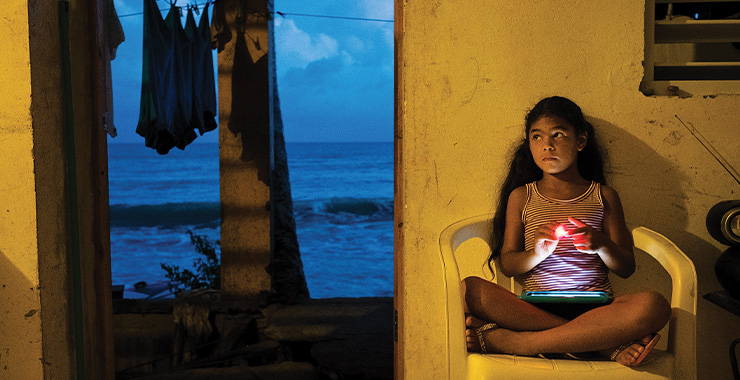
Since Maria hit, children on the island have faced death, loss and economic hardship to varying degrees. Now, more than 7% of them meet clinical standards for PTSD, about twice the rate seen in the general population, according to a survey of 96,108 Puerto Rican public school students published in April (JAMA Network Openopens in new window, Vol. 2, No. 4, 2019)—and that percentage may even underestimate the extent of the problem, the survey’s authors note.
The study, a needs assessment that has helped Puerto Rico’s department of education distribute its limited mental health resources to the hardest hit regions, also found that more than 57% of children had a friend or family member leave Puerto Rico, 45% reported damage to their homes and 32% experienced shortages of water or food. Also, about one-third of the children surveyed felt their lives were at risk during or after the storm.
“These alarmingly high numbers signal that nearly every child in Puerto Rico was exposed to disaster-related risk factors during Maria,” says psychologist Rosaura Orengo-Aguayo, PhD, lead author of the study and assistant professor at the Medical University of South Carolina’s (MUSC) department of psychiatry and behavioral sciences. “We also know that these factors are some of the predictors of developing post-traumatic stress, depression and anxiety down the line.”
The territory’s department of education used the study’s findings to distribute mental health resources throughout Puerto Rico on the basis of need—including to remote areas such as the island’s west coast, says Joy Lynn Suárez Kindy, PsyD, associate professor of psychology at Carlos Albizu University in San Juan and a co-author of the study. The new evidence also helped the department secure competitive grants from the U.S. Department of Education and the Substance Abuse and Mental Health Services Administration, which will be used to hire 360 nurses and 107 psychologists and to provide training in trauma-focused cognitive-behavioral therapy (TF-CBT).
Other efforts led by Puerto Rico’s department of education include training teachers in psychological first aid, providing social-emotional training and TF-CBT to students, and offering resiliency training to teachers and school principals. The department is also helping each of the 857 public schools establish parent centers, where adults can access resources such as clothing as well as advice on topics such as how to care for children with autism during a disaster.
“After the hurricane, we realized that schools are the main source of support where families and communities seek help,” says Maria Rolon, PhD, school psychologist and director of student services at the department of education. “That’s why we’re focusing on making schools the forefront of mental health and wellness.”
Maria's effects on adults persist
Adults on the island have also experienced psychological challenges, including stress and trauma, in the wake of Maria. In the nine months following the storm, suicides increased 18% and calls to the territory’s main suicide hotline rose 13% compared with the previous year (Kaiser Family Foundation Issue Briefopens in new window, September 2018). And suicide rates are still on the rise, with the number of reported suicides in the first three months of 2019 nearly double that for the same period in 2018, according to the Puerto Rican newspaper Metroopens in new window.
Other ongoing problems include surges in drug use, homicides and domestic violence—which Puerto Rico’s former governor has created special task forces to address. Such challenges commonly develop after major disasters, according to the World Health Organizationopens in new window.
In addition to the task forces, clinical and community psychology graduate students from the University of Puerto Rico are being trained to conduct psychological interventions in remote and impoverished parts of the territory. The territory’s department of education is also providing wellness services to teachers, including mindfulness-based interventions and the Friends Resilience program, which includes exercises that help adults build social-emotional skills and manage anxiety and depression symptoms.
Such programs are helping, says Boulon, but there’s still work to be done. “Even before the hurricane, people had difficulty accessing the services they needed,” she says. “The most vulnerable people are those who had mental health issues before the storm—and they need more support to fully recover.”
Help for mental health professionals
Ongoing efforts seek to relieve the compassion fatigue that mental health professionals have begun to report—including high levels of anxiety, fatigue and burnout—after more than two years of caring for victims of both Maria and Hurricane Irma, which struck Puerto Rico just two weeks prior.
“By the time Maria got here, there was nothing left for me to give,” says Rolon, who helped deliver psychological first aid to children and adults after both storms. “But we didn’t have a choice, because there were so few of us left on the island who could treat trauma.”
To help caregivers recover, APPR will host a weekend retreat later this month. Local psychologists will participate in mindfulness sessions, fitness classes, massages and even karaoke. Quiñones says the association hopes providers will begin to integrate these and other self-care practices into their own daily routines.
“Many clinicians made great personal sacrifices to serve their communities and to help the island return to normal,” she says. “Now, we want them to find balance and restore their own mental health.”
Looking forward
A top priority moving forward is to plan for future disasters that may hit Puerto Rico. This planning includes practical steps such as stockpiling water and nonperishable food and seeking alternative means of generating electricity. It also involves enhancing communication, organization and integration between various government agencies and community groups to maximize the effectiveness of emergency services.
APPR is also setting up networks of psychologists to reach and treat vulnerable patients—those who are elderly, isolated or physically or mentally ill—in the event of another disaster.
Meanwhile, researchers from MUSC are conducting an additional needs assessment for the island’s teachers, many of whom have remained on the front lines to aid recovery. Another ongoing research effortopens in new window by school psychologist Ivelisse Torres Fernandez, PhD, of New Mexico State University, seeks to document the emotional toll experienced by aid workers and mental health providers following Maria.
Quiñones says many residents are still waiting for insurance payouts, federal grants and other material resources crucial for rebuilding their society, adding that the federal government’s inaction and failure to provide adequate aid have exacerbated Puerto Ricans’ feelings of hopelessness and despair. Rolling power outages on the island, which can occur weekly and last for several hours, also provide sustained reminders of the initial trauma of Hurricane Maria, making it difficult for residents to move on.
“The hardest part of recovery is that we don’t know when this is going to happen again, and we’re still picking up the pieces from last time,” says Rolon. “That’s what’s on everybody’s mind.”