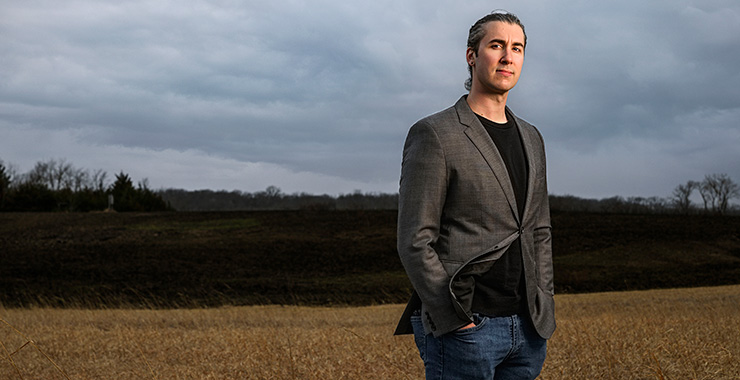
As climate change ushers in unpredictable weather in many regions, ensuring the public is attuned to severe weather warnings and alerts is important for protecting both property and lives. Brett Gelino, PhD, a postdoctoral researcher at the Johns Hopkins School of Medicine, and his colleagues have taken a unique approach to the concern. Using methods from both behavioral economics and operant psychology (the study of voluntary behaviors that are influenced by rewards and consequences), they have researched how people in Tornado Alley—an area of the Great Plains stretching from Texas to the Dakotas where tornadoes are frequent—react to tornado alerts, finding the sweet spot in timing these alerts so that people prepare and leave immediately rather than wait around.
These research methods can also provide insights on how to help people make choices such as switching to renewable energy for their homes. “There are a number of these metrics that tell us something really interesting for policy, and thus this lends a really nice framework for studying policy-relevant concerns,” said Gelino, who is also a member of APA’s Climate Change Psychology Advisory Group. The Monitor asked Gelino to talk about his research and how the psychology of decision-making intersects with climate science.