









skip to main content

Risks and Prevention

HIV/AIDS and Youth
Risks and Prevention
HIV/AIDS risk and prevention information for youth.

Who is at Risk?

Gay and bisexual men

Gay and bisexual men

Gay and bisexual men are most affected by HIV, accounting for 67 percent or 26,844 of HIV diagnoses among males.
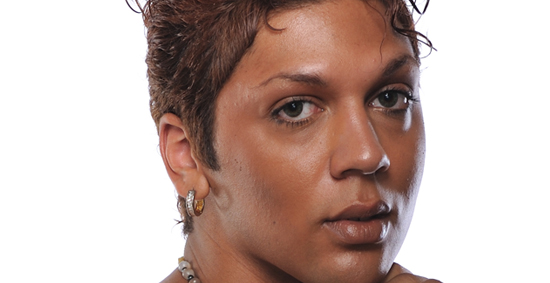
African-American transgender women

African-American transgender women

African-Americans are the racial group most affected by HIV.
Women

Women

Around one in four people living with HIV in the United States are women.
Couple

Heterosexual Women

Most new HIV diagnoses in women are due to heterosexual sex.
African-Americans

African-Americans

African-Americans are the racial group most affected by HIV.
American Indian/Alaska Native

American Indian/Alaska Natives

HIV diagnoses from 2010 to 2016 increased 81% among American Indian/Alaska Native gay and bisexual men.
Asians

Asians

In the United States, Asians, who make up 6% of the population, accounted for about 2% of HIV diagnoses in 2017.
Hispanics/Latinos

Hispanics/Latinos

In 2016, Hispanics/Latinos accounted for 26 percent of the new HIV diagnoses in the United States. 1 in 6 Hispanics/Latinos with HIV are unaware they have it.
Youth

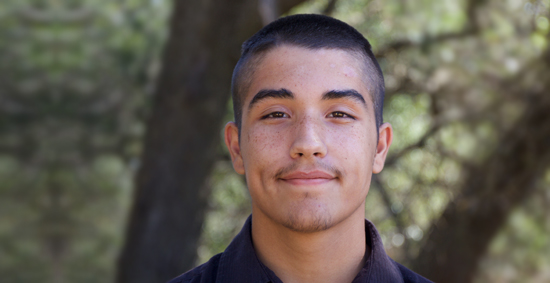
Youth

44 percent of youth ages 18-24 living with HIV aren’t aware of their infection.
Drug users

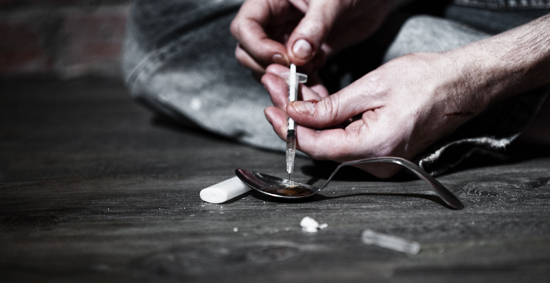
Drug users

Sharing syringes is the second -riskiest behavior for getting HIV. Receptive and anal sex is the riskiest.
Sex workers

Sex workers

Sex workers have a higher risk of HIV due to risky behavior including multiple sex partners and drug/alcohol use.

How to Bring Up HIV Topics With Your Partner

Talking about sex can be awkward, and talking about HIV and commitment can be scary. Here are some tips to get the conversation going:

  • It’s better to talk about it earlier rather than later, especially before you have sex.
  • If you’re looking for way to start talking, try showing your partner this website.
  • Tell your partner that you’ve been reading about this, heard about it, were talking to a friend, etc. and because you care so much you wanted to make sure you were both protected.
  • Don’t force it. Find an appropriate time when your partner is comfortable and can give you their full attention.
  • Whether scheduled or spontaneous, make sure the setting is one where you are both comfortable.
  • Try scheduling or checking in with your partner. Healthy relationships require an open dialogue and people’s opinions and minds change.
  • The conversation doesn’t have to be in person, if texting or chatting online is more effective then try different kinds of communication.

Tips are provided by the Centers for Disease Control and Prevention campaign Act Against AIDSopens in new window.

What Can Decrease HIV Risk?

Abstinence

Abstinence. Not engaging in oral, anal or vaginal intercourse.

Partner communication

Partner communication: share your HIV status with your sex partners.
Medication

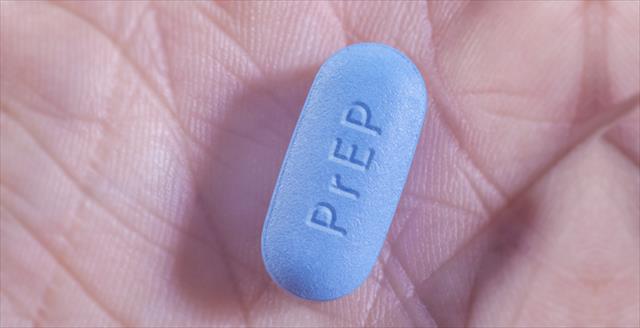
Medication: Pre-exposure prophylaxis or PrEP.

Man

Circumcised men have a lower chance of getting HIV from having vaginal sex.
Less risky sexual behaviors

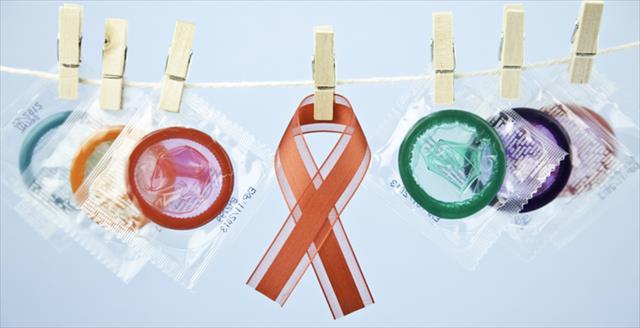
Try less risky sexual behaviors. Use condoms. Reduce the number of sex partners.

Partner agreement

Partner agreements: Being in a monogamous relationship or choosing partners with the same HIV status (serosorting).

Serosorting

Choosing partners with the same HIV status can be effective if you... 

  1. Make sure you and your partner are either both HIV positive or both HIV negative. 
  2. Get tested and encourage your partner to get tested. 
  3. Know when to get tested again especially if you or your partner had a potential exposure. You should use condoms until you can be retested.

Keep Your Self Mentally Healthy

Good mental health will help you live your life to the fullest.

Almost everyone has faced mental health challenges at some point in their lives.

From a death of a loved one, to moving or failing in school, we all have challenges that can impact our mental health. HIV is another challenge that can affect your nervous system and change your behavior.

Depression is one of the  most common  mental health conditions.

Do you have these symptoms?
Do you have these symptoms?

  • Persistent sadness.
  • Anxiety.
  • Helplessness.
  • Negativity.
  • Loss of appetite.
  • Disinterest in engaging with others.
Where do i get help?

Where do Ii get help?

Can I do it alone?
Can I do it alone?

  • Sometimes it takes additional counseling or medication to help with severe mental health conditions.
  • Other times, exercise and meditationopens in new window can help ease symptoms of anxiety and stress.
  • Support of family and friends can help.
What can psychology do for me?

What can psychology do for me?

  • Psychology contributes to the development of treatment and prevention of mental health at all levels.
  • Individual: one on one therapy or counseling.
  • Peer: your friends and schoolmates.
  • Family: parents and adults close to you can give guidance.
  • School: teachers and counselors can listen and give you additional resources.
  • Find a psychologist near you or call  1 (800) 964-2000.
Date created: 2017