

1980s HIV/AIDS Timeline
HIV/AIDS Information for Youth

During the 1980s, AIDS gained increased recognition in the U.S., and by
the end of the decade, federal funding for AIDS treatment got many
states involved with HIV care for the first time.
AIDS in the 80s: Did You Know?
World AIDS Day, Dec. 1, was observed for the first time in 1988, and the first AIDS Memorial Quilt display on the National Mall in Washington, D.C. happened only a year before, in 1987.

1981
At First, We Didn't Understand
In 1981, there were 270 reported cases of severe immune deficiency among gay men, with 121 individuals dead by the end of the year. Since it was first called GRID or Gay-Related Immune Deficiency by researchers, the public wrongly perceived AIDS as limited to gay men only.

1982
Then, We Learned
It wasn’t until 1982 that the CDC used the term “AIDS,” or Acquired Immune Deficiency Syndrome. In 1982, the CDC also reported AIDS in an infant who received blood transfusions.
The Government and Citizens Take Action
U.S. Congress, government agencies and citizens do what they can to make positive changes.

1983
In 1983, U.S. Congress passed the first bill that included funding for AIDS research and treatment, but it was still hard for people to understand AIDS. That same year, Joseph A. Sonnabend, a physician and AIDS researcher, was threatened to be evicted from his building in New York City for treating AIDS patients. Sonnabend’s case was the first AIDS discrimination lawsuit.

1984-86
By 1984, San Francisco and New York both began to close bathhouses due to high-risk sexual activity occurring. Also in that year, the CDC reported that IV drug users shouldn’t share needles. By 1986, the CDC reported that African-Americans and Latinos were disproportionately affected by AIDS, especially children who made up 90 percent of AIDS cases.

1987
The FDA approved the first antiretroviral drug zidovudine (AZT) in 1987. That year, Princess Diana was also photographed shaking the hand of a patient living with HIV in a London hospital. She went on to break down barriers and advocate for people living with HIV.
Pioneers of Change
Roots for HIV/AIDS advocacy laid down at national, regional and state levels.
1985-88
A Teenage Spokesperson
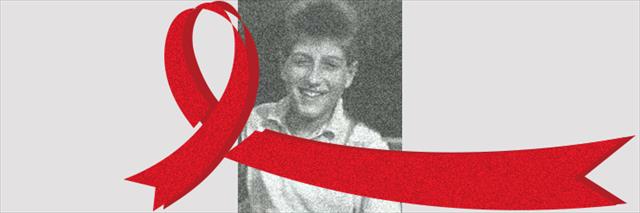
In 1985, Ryan White, a teenager from Indiana contracted AIDS through contaminated blood used to treat his hemophilia. He was refused entry to middle school and his legal battles brought national attention to AIDS education. In 1988, White went on to become a national spokesperson, appearing before President Ronald Reagan’s Commission on AIDS.
1989
Getting Help to the People
In 1989, Dazon Dixon Diallo founded SisterLove, Inc., the first organization in the southeastern part of the U.S. to focus on women living with or at risk for HIV.
Finally, HRSA granted $20 million for HIV care and treatment through a state grant program. This gave many states a chance to get involved with HIV care for the first time.
Date created: 2017