skip to main content

HIV Testing Advice and Resources for Youth

HIV Testing

Some youth may wonder the following when HIV testing is brought up:

  • "I am very religious and live a chaste life, testing for HIV is so absurd."
  • "I am alive, strong, and healthy, why do I need to test for HIV?"
  • "What I don’t know wouldn’t hurt me; testing is not important."

The one question you should be asking is can I affirm I am HIV negative?

You can only make such affirmations when you confirm your HIV status by getting tested.

What is HIV Testing?

The Test

The Test

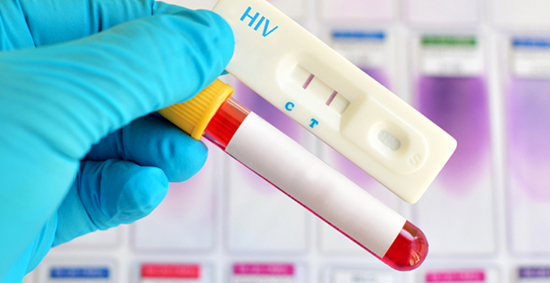
An HIV test is a test that determines the HIV status of an individual.
HIV Test Results

HIV Test Results

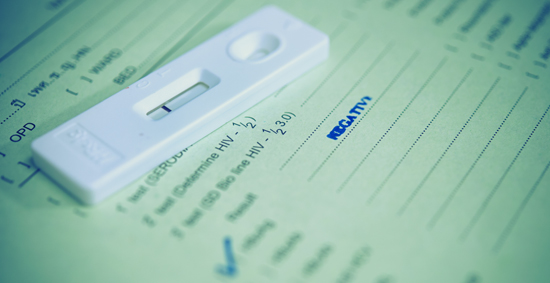
The results are reported in two ways: HIV negative or HIV positive.
Know Your Status

Know Your Status

Knowing your HIV status through testing is the surest way to stay alive in the HIV pandemic.
Stay Protected

Stay Protected

One way to stay protected from getting AIDS, the advanced stage of HIV, is by getting an HIV test.
Living with HIV

Living with HIV

According to the CDC, an estimated 1.1million people in the U.S. are living with HIV. Young people were the most likely to be unaware of their infection. Among people aged 13-24, an estimated 51 percent of those living with HIV didn’t know — the highest rate of undiagnosed HIV in any age group.

Undiagnosed HIV

Undiagnosed HIV

An estimated 1,122,900 adults and adolescents were living with HIV at the end of 2015. Of those, 162,500 (15 percent) had not received a diagnosis. HIV is transmitted by people wo are living with undiagnosed HIV.

How HIV/AIDS Diagnoses Affect Racial/Ethnic Groups

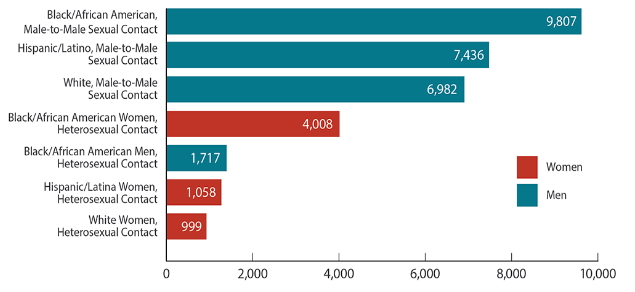
The Centers for Disease Control and Prevention (CDC) reports that a high and disproportionate percentage of new HIV diagnoses are among racial/ethnic groups such as Black/African and Hispanic/Latino men and women.

A high percentage of new HIV diagnoses are represented by a number of minority groups

Subpopulations representing 2% or less of HIV diagnoses are not reflected in this chart.
Source: CDC. Diagnoses of HIV infection in the United States and dependent areas, 2017. HIV Surveillance Report 2018;29.

Know the Facts

Eighty-one percent (7,868) of diagnoses among youth occurred in persons aged 20 to 24.

In 2017, youth aged 13 to 24 made up 21 percent of all new HIV diagnoses in the United States. Most (93 percent) of those new diagnoses occurred among young gay and bisexual men. Young black/African American and Hispanic/Latino gay and bisexual men were especially affected.

According to the CDC, in 2017, 7,125 youth received an HIV diagnosis in the United States. Seventy-nine percent (6,416) of those diagnoses occurred in young people aged 20 to 24.

 60 percent of the youth are unaware of their HIV status.

Young people are the most likely to be unaware of their infection. In 2017, among people aged 13-24 who were living with HIV, an estimated 51 percent didn’t know.

86 percent of young females got HIV by having heterosexual sex and 13 percent from injecting drugs.

In 2017, about 86 percent of young females who acquired HIV did so from having heterosexual sex, and 11 percent from injecting drugs. 

In 2014, an estimated 1,716 youth aged 13 to 24 were diagnosed with AIDS.

In 2016, 1,473 youth received an AIDS diagnosis, representing 8 percent of total AIDS diagnoses that year.

Getting Tested

Still not sure? Here are some answers to common questions about HIV testing.
expand all

The first step to getting tested is acknowledging the importance of testing and also understanding that testing doesn’t mean you are sick.

There are three available tests for HIV. These include:

Antibody Testopens in new window
This test detects HIV by looking for HIV antibodies in the body. There are three types of antibody tests:

Combination or Fourth Generation Testopens in new window
This detects both the HIV antibodies and p24 antigen (HIV antigen).

Nucleic acid test (NAT)opens in new window
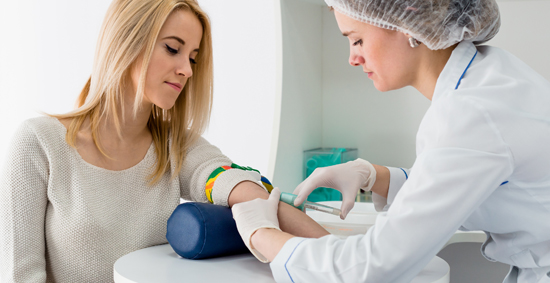
NAT uses blood during testing. Unlike the other tests, the NAT looks for the virus and not the antibodies to the virus. The positive/negative results are determined by the actual amount of virus present in the blood (known as a viral load test).

All HIV tests are covered under your health insurance and the Affordable Care Act (ACA). Individuals uninsured can visit the CDC websiteopens in new window to find free testing sites. All tests conducted are private and confidential.

How to use the Insti HIV Test (finger stick)

This test gives instant results in 60 seconds.


OraQuick (oral swab)

This test gives instant results in 20 minutes.

Getting an HIV test is simple:

  • Talk to your health care provider.
  • Testing is also offered at medical clinics, substance abuse programs, community health centers, and hospitals.
  • Text your ZIP code to KNOW IT (566948).
  • Visit gettested.cdc.govopens in new window.
  • Call 1-800-CDC-INFO (232-4636).

  • If you are 18 or older, your results are confidential between you and the health provider. If you are under 18, your parents or guardian can request health records. However, there are free clinics that provide unanimous testing; in other words you are given a number and your name is not used.
  • You will receive counseling regardless of the test results. This will help you avoid risky behaviors in the future.
Date created: 2017