The Basics
Basic information about HIV/AIDS, prevention and treatment to help youth separate myths from the facts.
The Difference between HIV and AIDS
-
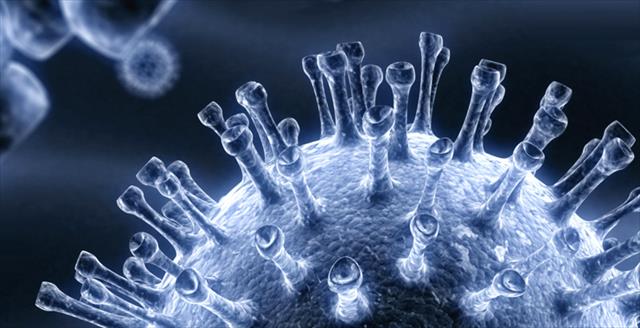
HIV is human immunodeficiency virus which attacks the body's immune system.
-
HIV attacks the body’s immune system, specifically the CD4 cells (T cells), which help the immune system fight off infections.
-
AIDS is the late, most severe stage of an HIV infection.
-
When the number of T cells decrease enough, the body can not fight infections which indicates that a person has AIDS.
Myths and Facts

Myth: "I don’t need to worry about being diagnosed with HIV, new drugs will keep me well."
Fact: While new treatments are available to help increase the quality and length of life, being diagnosed with HIV will change your life, impact your health and you can pass the virus to others. Also, everyone is not able to get treatment due to unaffordability or lack of health insurance. And some do not receive the treatment benefits due to lack of adherence to a sustained treatment regimen which requires taking drugs on a daily basis.
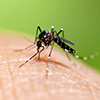
Myth: "I can get HIV from mosquitoes."
Fact: No. Mosquitoes cannot carry the virus.

Myth: "I’m straight and don’t use injection drugs. I won’t become diagnosed with HIV."
Fact: While men who have sex with men, and the LBGT community are at risk groups for HIV, heterosexual or straight individual are at risk as well. Women made up 19 percent of new HIV diagnoses and 86 percent of them were attributed to heterosexual sex and only 14 percent were attributed to injection drug use.

Myth: "If I’m receiving treatment, I can’t spread HIV."
Fact: There is no cure to HIV. While treatment can decrease the risks of spreading HIV it does not eliminate the possibility.

Myth: "My partner and I have both been diagnosed with HIV so we don’t worry about protective sex."
Fact: Using condoms or dental dams for protective sex is always a good idea to protect yourself from becoming exposed to other strains of HIV that may potentially be drug resistant.

Myth: "You can’t get HIV from oral sex."
Fact: It’s less risky than other types of sex, but it’s not impossible. You can get HIV by having oral sex with either a man or a women who is living with HIV.

Myth: "I could tell if my partner is diagnosed with HIV."
Fact: No not necessarily. You can be living with HIV for years and not show any symptoms. It is always a good idea to have a conversation with your partner and both get tested.
CDC’s HIV Treatment Works Campaign
The Centers for Disease Control and Prevention's (CDC) HIV Treatment Works campaign for people living with HIV features the stories of individuals talking about how sticking to HIV treatment helps them stay healthy, protect others, do what they love and live a longer, healthier life.