

1990s HIV/AIDS Timeline
HIV/AIDS Information for Youth

The AIDS epidemic grows, but awareness also spreads as health organizations, actors, athletes and musicians begin to speak up about HIV/AIDS.
AIDS in the 90s: Did You Know?
In 1999, the World Health Organization announced that HIV/AIDS had become the 4th biggest killer worldwide.
The Epidemic Grows

1991-94
In 1991, the red ribbon became the international symbol of AIDS awareness. AIDS became the number one cause of death for U.S. men aged 25-44 years old in 1992. By 1994, AIDS became the leading cause of death for all Americans ages 25-44 years old.

1997-99
In 1997, UNAIDS estimated that 30 million adults and children worldwide had HIV, and that, each day, 16,000 people were newly infected with the virus. In 1998, the CDC reported that African-Americans accounted for 49 percent of U.S. AIDS-related deaths.
The Medical Outlook
Progress in testing and reduction of HIV/AIDS cases diagnosed in the U.S.
1993–96
Prevention and Testing
The FDA began to provide tools to address HIV risk to decrease transmission. In 1993, the FDA approved the female condom, and in 1994, it approved an oral HIV test, the first non-blood-based antibody test for HIV. In 1996, the FDA approved the first HIV home testing and collection kit.

1996–99
Medical Milestones
The number of new AIDS cases diagnosed in the U.S. declined for the first time in 1996. By 1997, AIDS-related deaths in the U.S. declined by 47 percent and highly active antiretroviral therapy became the standard of HIV care. Drug resistance also became more common as a greater number of people began taking protease inhibitors, and drug resistance emerges as an area of grave concern. By 1998, the CDC issued the first national treatment guidelines for the use of antiretroviral therapy. VaxGen, a San Francisco biotech company began the first human vaccine trials in Thailand, 1999.
The Political Outlook

1990–96
Advocacy in the U.S. and Beyond
U.S. Congress enacts the Ryan White CARE Act of 1990, providing funding for HIV community based care and legislation to provide housing assistance to people living with AIDS (HOPE Act). In 1992, the International Olympic Committee ruled that HIV positive athletes are eligible to compete in the games. In 1995, the U.S. National Association of People With AIDS launched the first National HIV Testing Day. And in 1996, the Joint United Nations Programme on HIV/AIDS formed to advocate for global action on the epidemic.
1993–95
At the White House
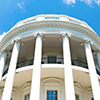
Conflicting efforts were made to address the HIV/AIDS epidemic. In 1993, President Clinton signed the U.S. HIV immigration exclusion policy into law. Unfortunately, this law banned people who are living with HIV from coming to the United States. Though, in 1995, President Clinton hosted the first White House conference on HIV/AIDS.
Prominent Figures and the HIV/AIDS Epidemic

Some of the notable artists, singers, athletes, advocates and actors affected by the HIV/AIDS epidemic during the 90s.
1990
- Pop artist and AIDS activist Keith Haring dies of AIDS-related illness.
- Ryan White dies of AIDS-related illness at 18 years old.
1991
- In 1991, Earvin “Magic” Johnson, professional NBA star announces he is HIV positive.
- In 1991, Freddie Mercury, lead singer and songwriter of the band Queen dies of AIDS-related illness at 45 years old.
1992–93
- In 1992, Arthur Ashe, U.S. tennis champion announces he has AIDS and believes to have contracted HIV via blood transfusions.
- In 1993, The film "Philadelphia", starring Tom Hanks as a lawyer fired for having AIDS opens in theaters. This is the first major Hollywood film on the topic.
1994–99
- In 1994, Pedro Zamora, cast of MTV’s show “The Real World” dies of AIDS-related illness at 22 years old.
- In 1995, rapper Eazy-E dies from AIDS-related illness.
- In 1999, activist Phill Wilson founds the Black AIDS Institute.
Date created: 2017