skip to main content

2000s HIV/AIDS Timeline

HIV/AIDS Information for Youth
HIV/AIDS Research Timeline

The fight against the HIV/AIDS epidemic continues with better outreach, policy and more research on the origin of AIDS.

Did You Know?

Evidence in 2008 showed that people undergoing HIV treatment can expect to live into their 60s and beyond.


Impact of the 2000s AIDS Epidemic

Bill Clinton (photo by By Helene C. Stikkel - This Image was released by the United States Department of Defense)

AIDS is a National Security Threat

In 2000, the Clinton Administration declared HIV/AIDS a threat to U.S. national security.

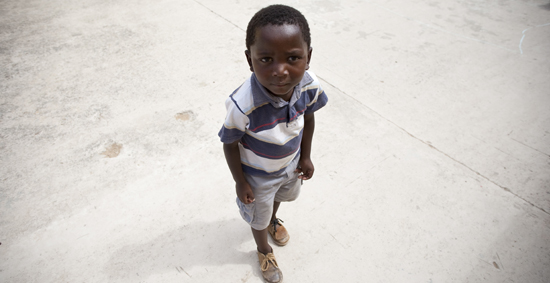
Three million children under age 15 living with HIV.

Youth Living with HIV

By 2002, worldwide, 10 million young people age 15-24 and almost 3 million children under age 15 were living with HIV.

Know your status

HIV Status Matters

In 2003, the Centers for Disease Control and Prevention estimated 27,000 of the 40,000 new infections resulted from transmission by individuals who did not know they had contracted HIV.

Increase in HIV infection among gay men in the U.S.

HIV Infection in the Gay Community

In 2008, the Journal of the American Medical Association reported an increase in HIV diagnoses among gay men in the U.S.

Epidemic in the Nation’s Capital.

Epidemic in the Nation’s Capital

By 2009, the District of Columbia Health Department reported that Washington, D.C. had a higher rate of HIV than West Africa, describing it as a “severe and generalized epidemic.”

HIV/AIDS Treatment in 2000s

More affordable, less toxic medication

In 2000, The Joint United Nations Programme on HIV/AIDS, the World Health Organization and other global health groups announced a joint initiative with five pharmaceutical manufacturers to negotiate reduced prices for HIV/AIDS drugs. By 2007, the Clinton Foundation announced deep price reductions were negotiated for AIDS drugs and for less toxic medicines combined in a pill that can be taken daily.

Rapid HIV diagnostic test kit
Faster HIV testing

In 2002, the Food and Drug Administration approved the first rapid HIV diagnostic test kit with a 99.6 percent accuracy in as little as 20 minutes.
Failed vaccine trial

In 2003, VaxGen, a San Francisco biotech company announced its vaccine trial failed to reduce HIV infection.

Benefits of circumcision

In 2006, the National Institutes of Health announced medically performed circumcision reduces a man’s risk of acquiring HIV through heterosexual intercourse by up to 53 percent.

More intensive testing of donor organs

In 2007, the Centers for Disease Control reported four transplant recipients had contracted both HIV and hepatitis C from an organ donor. This prompted more intensive testing of donor organs.
Some International Advocacy Milestones


Lend a helping hand

Lending a Helping Hand

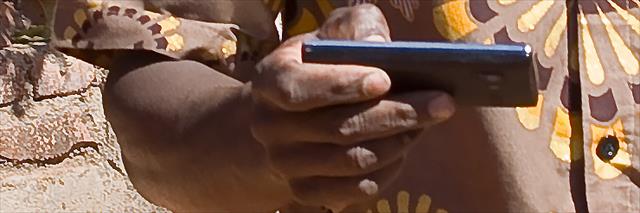
In 2008, Project Masiluleke (“lend a helping hand”) was launched in South Africa as the first program to use free text messages to overcome stigma and promote HIV testing and treatment.
Impact HIV has on women and girls

UNAIDS Emphasizes Impact on Women and Girls

In 2004, The Joint United Nations Programme on HIV/AIDS launched the Global Coalition on Women and AIDS to raise awareness of the impact HIV has on women and girls.
Nelson Mandela Fights Stigma by lasanta.com.ec

Nelson Mandela Fights Stigma

In 2005, Nelson Mandela announced his son died of AIDS-related illness and asks families to speak openly about the toll of the disease, in order to break down taboos associated with HIV.

HIV/AIDS Policy in the U.S.

In 2001, General Colin Powell, appointed U.S. Secretary of State, reaffirmED that HIV/AIDS is a national security threat and Congress authorized the first $350 million for the U.S. President’s Emergency Program for AIDS Relief. 

In 2009, President Barack Obama called for the development of the first National HIV/AIDS Strategy for the U.S. President Obama also lifted the HIV travel and immigration ban by removing the final regulatory barriers to entry. 
Awareness Days 

Origin of HIV/AIDS in Research

Biologists discovered the plagues of the Middle Ages made about 10 percent of Europeans resistant to HIV.

2005

Resistance to HIV

Biologists discovered the plagues of the Middle Ages made about 10 percent of Europeans resistant to HIV.

HIV-like Virus in Chimpanzees
2006

HIV-like Virus in Chimpanzees

Scientists announced they found signs of an HIV-like virus in chimpanzees in south Cameroon. This discovery bolters the theory that people first contracted HIV through infected blood from wild chimps in the jungle.
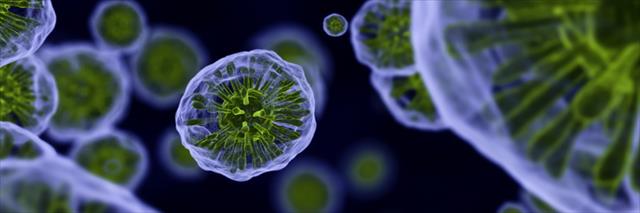
Origin and Discovery of HIV
2008

Origin and Discovery of HIV

  • Discovery that HIV in humans may have originated as early as the 1800s. 
  • Françoise Barré-Sinoussi and Luc A. Montagnier won the Nobel Prize in medicine for their 1983 discovery of HIV, the virus that causes AIDS.
Date created: 2017

Acronyms

  • ART (Antiretroviral treatment)
  • CDC (Centers for Disease Control and Prevention)
  • FDA (Food and Drug Administration)
  • HOPE Act (HIV Organ Policy Equity Act)
  • HRSA (Health Resources and Services Administration)
  • NIH (National Institutes of Health)
  • PrEP (Pre-Exposure Prophylaxis)
  • UNAIDS (The Joint United Nations Programme on HIV/AIDS)