

skip to main content

Social-Emotional Learning

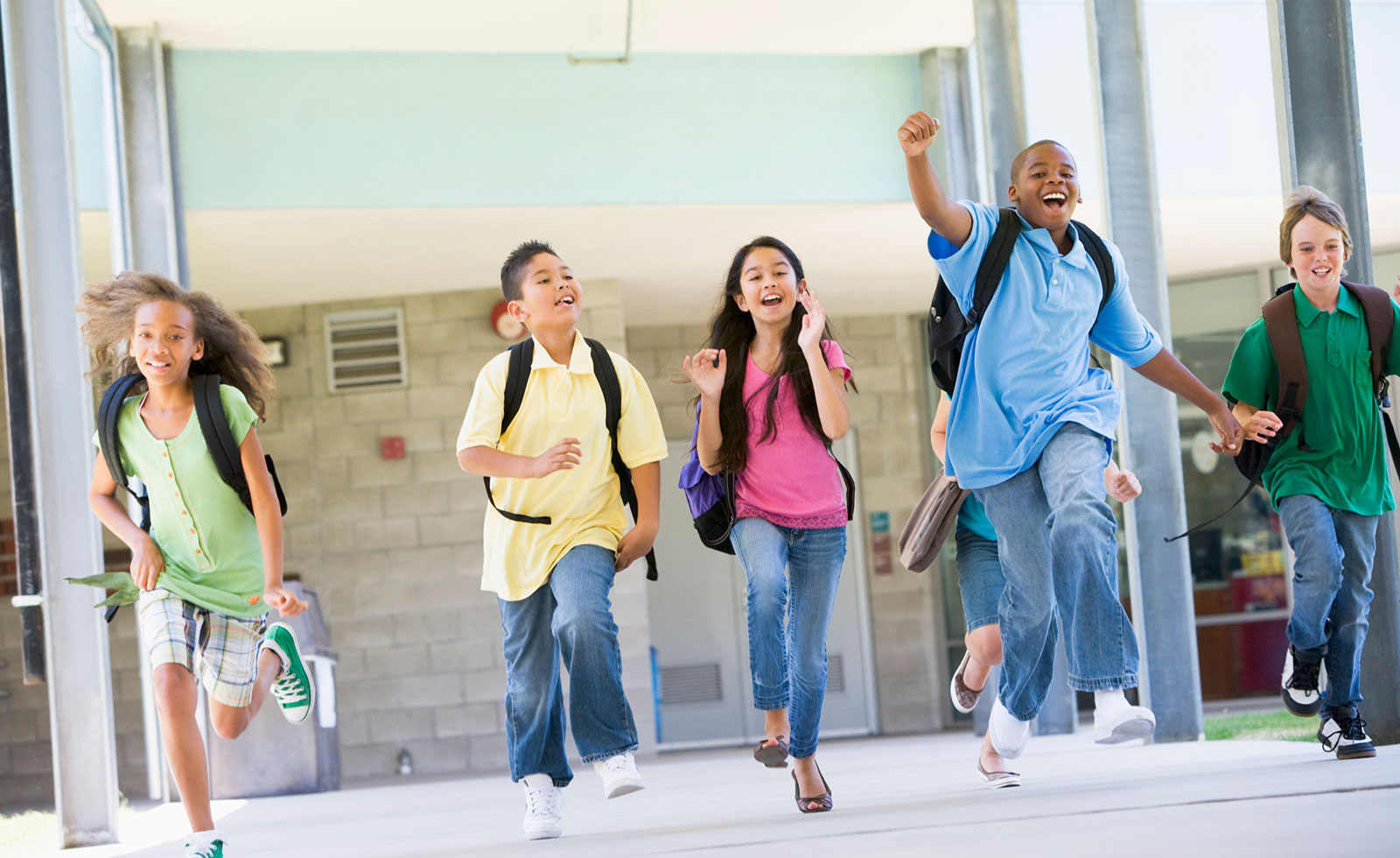
Group of elementary school students running out of school.

Unpacking the Social-Emotional Learning domain

Social-emotional learning includes three key principles that underscore the role of multiple social contexts in learning, the criticality of interpersonal relationships and communication in the teaching-learning process and students’ social-emotional development, and the influence of emotional well-being on educational performance, learning, and development. Each principle is accompanied by a detailed explanation and a description of its relevance for teachers, providing evidence of how psychological science enhances teaching and learning.

Learn more about why social context, interpersonal relations, and emotional well-being are important to student learning

Video: Social and Emotional Learning Module (Part 1)

Learning is situated within multiple social contexts. Learn how teachers can best respect differences that exist in children's learning environments and promote effective connection and communication between school and home.

Video: Social and Emotional Learning Module (Part 2)

Interpersonal relationships are critical to the social emotional development of students. Learn how teachers build a community of learners independent of physical space and how to facilitate a sense of connectedness, even when students transition between different environments.

Video: Social and Emotional Learning Module (Part 3)

Emotional wellbeing influences educational performance, learning and development. Learn how teachers can assess their students' emotional well-being, even in challenging environments, and why understanding students' emotional states is essential for supporting their learning.

Top 20 Principles: Download the full report

Social-Emotional Learning (Principles 13–15)

Principle 13
Learning is situated within multiple social contexts.

Learners are influenced by various factors that are naturally a part of their lives (i.e., families, peer groups, neighborhoods, culture, beliefs, etc.). Appreciating the potential influence of these contexts on learners can enhance the effectiveness of instruction and communications.

Tips for teachers  
Teachers can facilitate effective interpersonal relationships and communication, and thereby affect learning, by:

  • Relating curriculum to students' cultural backgrounds.
  • Establishing connections with families and seeking opportunities to participate in the local communities.
  • Enabling a classroom culture that benefits all students.
Principle 14
Interpersonal relationships and communication are critical to both the teaching-learning process and the social-emotional development of students.

Classrooms provide a critical context for cultivating social skills. An especially important skill is developing successful relationships with peers and adults. This skill is highly dependent on students' ability to communicate thoughts and feelings through verbal and nonverbal behavior.

Tips for teachers  
Teachers should attend to the relational aspects of the classroom by:

  • Providing and maintaining a safe and secure environment (both physical and social) in a shared classroom culture.
  • Providing clear behavioral expectations related to social interactions.
  • Establishing clear injunctions against bullying.
  • Including planned instruction and opportunities to practice social skills and receive feedback.
  • Prompting students to elaborate on their responses.
  • Engaging in give-and-take with students during discussions.
  • Encouraging students to seek clarification from others.
  • Promoting attention to nonverbal cues.
  • Providing opportunities for students to practice communication in both academic and social contexts.
  • Providing feedback to enhance skill development.
  • Modeling effective verbal and nonverbal communication.
Principle 15
Emotional well-being influences educational performance, learning and development.

Emotional well-being is integral to successful, everyday functioning in the classroom and influences academic performance and learning. It is also important to interpersonal relationships, social development and overall mental health.

Tips for teachers  
Teachers can help facilitate emotional development by:

  • Using emotional vocabulary, for example, labeling emotions such as fearful or happy.
  • Modeling appropriate emotional expression and reactions.
  • Teaching emotion regulation strategies such as stop and think, or deep breathing.
  • Promoting emotional understanding of others.
  • Monitoring expectations of students regardless of past performance to be equally encouraging to all.
Last updated: November 2024Date created: 2018