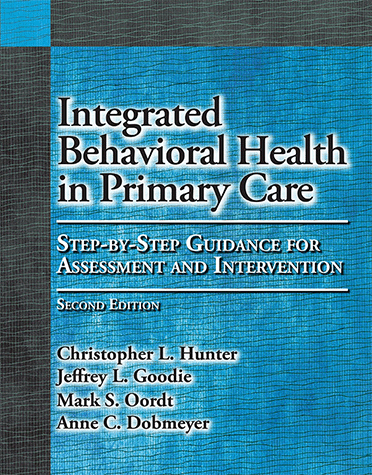
Integrated Behavioral Health in Primary Care
This timely new edition brings the reader up to speed with the changing aspects of primary care service delivery in response to the Patient-Centered Medical Home (PCMH), the Triple-Aim health approach, and the Patient Protection and Affordable Care Act.
Drawing on research evidence and years of experience, the authors provide practical information and guidance for behavioral health care practitioners who wish to work more effectively in the fast-paced setting of primary care, and provide detailed advice for addressing common health problems such as generalized anxiety disorder, depression, weight issues, sleep problems, cardiovascular disorders, pain disorders, sexual problems, and more.
New to this edition are chapters on population health and the PCMH; children, adolescents, and parenting; couples; managing suicide risk; and shared medical appointments. This paperback edition was previously published in hardcover in 2017.
List of Figures, Tables, and Exhibits
Acknowledgments
Introduction
Part I. Foundations of Integrated Behavioral Health Consultation Services
- Chapter 1. Population Health and the Patient-Centered Medical Home
- Chapter 2. Conducting the Initial Consultation Appointment
- Chapter 3. Common Behavioral and Cognitive Interventions in Primary Care Moving Out of the Specialty Mental Health Clinic
Part II. Common Behavioral Health Concerns in Primary Care
- Chapter 4. Depression, Anxiety, Posttraumatic Stress Disorder, and Insomnia
- Chapter 5. Health Behaviors: Tobacco Use, Overweight and Obesity, and Physical Activity
- Chapter 6. Diabetes
- Chapter 7. Chronic Obstructive Pulmonary Disease and Asthma
- Chapter 8. Cardiovascular Disease
- Chapter 9. Pain Disorders
- Chapter 10. Alcohol and Prescription Medication Misuse
- Chapter 11. Sexual Problems
- Chapter 12. Special Considerations for Older Adults
- Chapter 13. Women’s Health
- Chapter 14. Children, Adolescents, and Parenting
- Chapter 15. Couple Distress
Part III. Special Issues
- Chapter 16. Managing Suicide Risk in the Primary Care Setting
- Chapter 17. Clinical Pathways and Shared Medical Appointments
Christopher L. Hunter, PhD, ABPP, graduated from the University of Memphis with his PhD in clinical psychology with a specialization in behavioral medicine. He is board certified in clinical health psychology and works for the Defense Health Agency as the Department of Defense (DoD) program manager for behavioral health in primary care. As the DoD lead for the last 8 years, he has worked to develop policy, secure funding, and oversee the roll- out of primary care behavioral health services for Military Health System enrollees. He has extensive experience developing integrated primary care behavioral health services as well as training individuals to work in primary care settings treating common mental health conditions (e.g., depression), health behavior problems (e.g., tobacco use, obesity), and chronic medical conditions (e.g., diabetes, chronic pain). He is also a coauthor of the 2016 book Integrating Behavioral Health Into the Medical Home: A Rapid Implementation Guide and a coeditor of the 2014 Handbook of Clinical Psychology in Medical Settings: Evidence-Based Assessment and Intervention.
Jeffrey L. Goodie, PhD, ABPP, is a board-certified clinical health psychologist and an associate professor in the department of Medical and Clinical Psychology and the department of Family Medicine at the Uniformed Services University (USU) in Bethesda, Maryland. He serves as the director of clinical training of the Clinical Psychology program at USU. Dr. Goodie earned his PhD from West Virginia University and completed his residency and a postdoctoral fellowship in clinical health psychology at Wilford Hall Medical Center at Lackland Air Force Base. Dr. Goodie has served as an internal behavioral health consultant in family medicine, internal medicine, and OB/GYN clinics. He has trained psychology and social work residents and providers how to provide behavioral health interventions in integrated primary care settings. He is a fellow of the American Psychological Association and the Society of Behavioral Medicine.
Mark S. Oordt, PhD, ABPP, earned a PhD in clinical psychology from the Fuller Graduate Schools in Pasadena, California, in 1992 and completed a postdoctoral fellowship in clinical health psychology at Wilford Hall Medical Center in San Antonio, Texas. He is a licensed clinical psychologist and a diplomate of the American Board of Professional Psychology in clinical health psychology. Specific professional interests include integrated behavioral health in primary care settings, assessment and treatment of suicidal risk, clinical health psychology, substance abuse prevention and behavioral health care with military populations. He currently resides in Fairfax, Virginia.
Anne C. Dobmeyer, PhD, ABPP, is a clinical health psychologist who has been actively involved in implementation and training in integrated primary care for the past 16 years. She has established fully integrated primary care behavioral health services in family medicine, internal medicine, and women’s health clinics, and provided training and consultation to clinics and medical centers across the country. Her publications and presentations primarily focus on training, implementation, and evaluation of integrated primary care programs. Dr. Dobmeyer obtained her PhD from Utah State University and completed a postdoctoral fellowship in clinical health psychology at Wilford Hall Medical Center. She has served as president of the American Board of Clinical Health Psychology and is currently a trustee of the American Board of Professional Psychology.
Welcome to the instructor resources for Integrated Behavioral Health in Primary Care:Step-By-Step Guidance for Assessment and Intervention, Second Edition. Here you will find downloadable assessment and intervention tools such as scripts, handouts, worksheets, graphics, checklists and mentoring forms, which may be tailored to your needs and settings.
All of these materials appear in the printed book, ebook, and full-text subscription database versions. We provide them here for your convenience. Feel free to download these materials for your personal use. If you wish to repost, reprint, or adapt them for publication, permission is required from the publisher or, where indicated, from the creators.
© 2022 American Psychological Association.
Because of their number and size, the materials from each chapter are gathered into one pdf for each chapter.To access the materials, click on the chapter link below. Descriptions of materials for each chapter are below.
Chapter 1. Population Health and the Patient-Centered Medical Home (PDF, 44KB)opens in new window
- Figure 1.1 Factors Affecting Health Outcomes
- Figure 1.2 Patient-Centered Medical Home Principles
- Figure 1.3 2014 National Committee for Quality Assurance Patient-Centered Medical Home Standards Specific to Behavioral Health Integration
Chapter 2. Conducting the Initial Consultation Appointment (PDF, 696KB)opens in new window
- Figure 2.1 Structure for the Initial Consultation Appointment Linked With the 5A’s
- Figure 2.2 The Behavioral Health Consultation Service
- Figure 2.3 Functional Assessment of the Problem
- Figure 2.4 Behavioral Prescription Pads
- Script Introducing the BHC Service
- Figure 3.1 Deep Breathing Handout
- Figure 3.2 Cue-Controlled Relaxation Handout
- Figure 3.3 Questioning Stressful, Angry, Anxious, and Depressed Thinking Handout
- Figure 3.4 Thinking Mistakes Handout
- Figure 3.5 Disputing or Challenging Thoughts and Beliefs Handout
- Figure 3.6 Monitoring Behavioral Triggers
- Figure 3.7 Strategies to Improve Motivation to Change Handout
- Figure 3.8 Problem-Solving Worksheet
- Figure 3.9 Stimulus Control Plan Handout
- Figure 3.10 Assertive Communication Handout
- Acceptance and Mindfulness Exercises Script
- Acceptance and Mindfulness Introduction Script
- Assertive Communication Script
- Cognitive Disputation Script
- Cue Controlled Relaxation Script
- Deep Breathing Script
- Introduction to Stimulus Control Script
- Introduction to the ABC Model for Cognitive Disputation
- Progressive Muscle Relaxation Script
- Relaxation Introduction
- Visual Imagery Script
- Figure 4.1 Depression Spiral Handout
- Figure 4.2 Resources for Patients With Depression: Websites, Mobile Applications, and Books
- Figure 4.3 Anxious Worry Handout
- Figure 4.4 Worry Management Handout
- Figure 4.5 Anxiety Questions
- Figure 4.6 Panic Disorder Handout
- Figure 4.7 Situational Exposure Hierarchy Handout
- Figure 4.8 Resources for Patients With Anxiety: Websites, Mobile Applications, and Books
- Figure 4.9 Primary Care PTSD Screen
- Figure 4.10 Resources for Patients With PTSD: Websites, Mobile Applications, and Books
- Figure 4.11 Insomnia Severity Index
- Figure 4.12 Improving Sleep Through Behavior Change Handout
- Figure 4.13 Sleep Restriction Handout
- Figure 4.14 Resources for Patients With Insomnia: Websites, Mobile Applications, and Books
- Insomnia Advise Phase Script
- Panic Disorder Assist Phase Script
- Figure 5.1 Tobacco Cessation Handout
- Figure 5.2 Resources for Patients Using Tobacco: Websites, Mobile Applications, and Books/Documents
- Figure 5.3 Goal Setting for Weight Loss Handout
- Figure 5.4 Personal Food Diary Handout
- Figure 5.5 The C.A.M.E.S. Principle for Improvement Handout
- Figure 5.6 Modifying Eating Habits Handout
- Figure 5.7 Resources for Patients Wanting To Lose Weight: Websites, Mobile Applications, and Books/Documents
- Figure 5.8 Weight Maintenance Handout
- Figure 5.9 Increasing Physical Activity Handout
- Figure 5.10 Resources for Patients Who Want To Increase Physical Activity: Websites, Mobile Applications, and Books/Documents
Chapter 6. Diabetes (PDF, 156KB)opens in new window
- Figure 6.1 Diabetes Goal Setting Form
- Figure 6.2 Diabetes Self-Monitoring Form
- Figure 6.3 Resources for Patients With Diabetes: Websites, Mobile Applications, and Books
- Diabetes Advise Phase Script
Chapter 7. Chronic Obstructive Pulmonary Disease and Asthma (PDF, 400KB)opens in new window
- Figure 7.1 Shortness of Breath Cycle for COPD and Asthma Handout
- Figure 7.2 COPD Sample Assessment Questions
- Figure 7.3 Pursed-Lip Breathing Handout
- Figure 7.4 Resources for Patients With COPD: Websites, Mobile Applications, and Books
- Figure 7.5 Asthma Sample Assessment Questions
- Figure 7.6 Asthma Monitoring Form
- Figure 7.7 Asthma Allergen/Exposure Checklist
- Figure 7.8 Resources for Patients With Asthma: Websites, Mobile Applications, and Books
- Asthma Advise Phase Script
- Asthma Agree Phase Script
- COPD Advise Phase Script
Chapter 8. Cardiovascular Disease (PDF, 258KB)opens in new window
- Figure 8.1 Resources for Patients With Cardiovascular Disease: Websites, Mobile Applications, and Books/Documents
- Figure 8.2 Assessment Questions for Patients With Cardiovascular Disease
- Figure 8.3 High Blood Pressure Handout
- Figure 8.4 Diet Change Handout
Chapter 9. Pain Disorders (PDF, 488KB)opens in new window
- Figure 9.1 Gate Control Model of Pain Handout
- Figure 9.2 Understanding Chronic Pain Handout
- Figure 9.3 Common Pain Beliefs Handout
- Figure 9.4 Five Steps for Managing Intense Pain Episodes
- Figure 9.5 Resources for Patients With Chronic Pain: Websites, Mobile Applications, and Books
- Figure 9.6 Monitoring Pain Handout
- Introduction to Pacing Activities for Pain Management
- Psychological Factors in Pain Script
Chapter 10. Alcohol and Prescription Medication Misuse (PDF, 204KB)opens in new window
- Figure 10.1 Common Mistakes and Assumptions About Alcohol Patient Handout
- Figure 10.2 Four A’s for Managing Alcohol Consumption Patient Handout
- Figure 10.3 Resources for Patients: Websites, Mobile Applications, and Books
- Alcohol Advise Phase Script Mild Severity
- Alcohol Advise Phase Script Moderate Severe Range
- Prescription Medication Misuse Assist Phase Script
Chapter 11. Sexual Problems (PDF, 335KB)opens in new window
- Figure 11.1 Treatments for Erectile Dysfunction Handout
- Figure 11.2 Questions and Answers About Erectile Dysfunction Handout
- Figure 11.3 Resources for Patients With Sexual Problems: Websites and Books/Documents
- Figure 11.4 Sexual Problems and Self-Management Interventions Handout
- Figure 11.5 Gaining Control Over Premature Ejaculation Handout
- Figure 11.6 Sample Assessment Questions for Female Orgasmic Disorder
- Figure 11.7 Developing Helpful Beliefs for Enhancing Arousal and Orgasm Handout
Chapter 12. Special Considerations for Older Adults (PDF, 226KB)opens in new window
- Figure 12.1 Resources for Older Adults: Websites and Mobile Applications
- Figure 12.2 Geriatric Depression Scale, 5- and 15-Item Versions
- Figure 12.3 Bereavement, Grief, and Mourning Handout
- Cognitive Functioning Assist Phase Script
- Incontinence Assist Phase Script
Chapter 13. Women’s Health (PDF, 396KB)opens in new window
- Figure 13.1 Resources for Patients Demonstrating Peripartum or Postpartum Depression: Websites and Books
- Figure 13.2 Resources for Patients Demonstrating Chronic Pelvic Pain: Websites, Mobile Applications, and Books
- Figure 13.3 Additional Functional Assessment Questions for Women Going Through Menopause
- Figure 13.4 Hot Flash Symptom Diary Handout
- Figure 13.5 Managing Menopausal Hot Flashes With Reassuring Thinking
- Figure 13.6 Resources for Patients With Menopause: Websites, Mobile Applications, and Books
- Sexual Physical Abuse Advise Phase Script
Chapter 14. Children, Adolescents, and Parenting (PDF, 688KB)opens in new window
- Figure 14.1 Resources for Patients With Behavior Management Problems: Websites, Mobile Applications, and Books
- Figure 14.2 Short Screening Instrument for Psychological Problems in Enuresis
- Figure 14.3 Bedwetting Monitoring Chart
- Figure 14.4 Resources for Patients Who Wet the Bed: Websites and Books
- Figure 14.5 Resources for Patients With ADHD: Websites and Books
Chapter 15. Couple Distress (PDF, 313KB)opens in new window
- Figure 15.1 Sample Assessment Questions for Relationship Problems
- Figure 15.2 Effective Listening Handout
- Figure 15.3 Communication Practice Plan Handout
- Figure 15.4 Problem-Solving Guidelines for Couples
- Figure 15.5 Behavior Exchange Handout
- Figure 15.6 Sample Intimate Partner Violence Safety Plan
- Figure 15.7 Resources for Couples: Websites, Mobile Applications, and Books
- Behavior Exchange for Couples Script
Chapter 16. Managing Suicide Risk in the Primary Care Setting (PDF, 739KB)opens in new window
- Figure 16.1 Protective and Risk Factors for Suicide
- Figure 16.2 Suicide Risk Assessment Format
- Figure 16.3 Crisis Response Planning Worksheet
- Figure 16.4 Resources for Patients With Suicidal Ideation: Websites and Mobile Applications
- Exhibit 16.1 Suicide Screening Tools Recommended by SAMHSA
- Exhibit 16.2 Suicide Risk Assessment Components
- Exhibit 16.3 Crisis Response Plan
Chapter 17. Clinical Pathways and Shared Medical Appointments (PDF, 61KB)opens in new window
- Figure 17.1 DIGMA Appointment Introduction
- Figure 17.2 Provider Resources
Additional Materials